web analytics

Category: Lose Weight

  • How Ozempic combats stubborn belly fat and changes lives

    How Ozempic combats stubborn belly fat and changes lives

    Work From Home


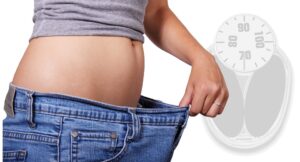
    Ozempic, the revolutionary medication that combats stubborn belly fat, is changing lives for millions of people worldwide. This groundbreaking drug has been proven to effectively reduce fat around the abdomen, leading to significant improvements in both physical appearance and overall health. Let’s delve deeper into how Ozempic works and the transformative impact it has on people’s lives.

    Belly fat, also known as visceral fat, poses serious health risks. It increases the chances of developing chronic conditions like heart disease, type 2 diabetes, and high blood pressure. Unfortunately, losing belly fat can be an extremely challenging task for many individuals. Traditional weight loss methods often fail to specifically target fat deposits around the abdomen, leaving people frustrated and discouraged.

    This is where Ozempic comes in as a game-changer. It is an FDA-approved prescription medication that belongs to a class of drugs called glucagon-like peptide-1 (GLP-1) receptor agonists. GLP-1 receptor agonists work by mimicking the effects of a hormone called glucagon-like peptide-1, which is naturally produced in the body. Ozempic specifically activates GLP-1 receptors in the brain, helping to regulate appetite and reduce food cravings.

    What sets Ozempic apart from other weight loss medications is its focused approach on stubborn belly fat. Clinical trials have shown that Ozempic significantly reduces visceral fat, leading to a flattening of the abdomen and a more desirable waistline. Participants who took Ozempic experienced an average weight loss of 15-20 pounds over the course of 6 months, with a considerable reduction in waist circumference.

    Beyond the physical changes, the impact of Ozempic goes even further. People who have struggled with their weight for years often face emotional and psychological burdens that affect their quality of life. Losing stubborn belly fat not only improves self-confidence and body image but also enhances overall mental well-being. With Ozempic’s ability to deliver long-term results, individuals can finally break free from the cycle of failed weight loss attempts and regain control over their lives.

    Additionally, Ozempic has shown remarkable results in managing other health conditions. Due to its ability to regulate blood sugar levels, it aids in controlling type 2 diabetes and can reduce the need for traditional diabetes medications. It also helps to lower cholesterol and blood pressure, further reducing the risks of heart disease.

    As with any medication, there are potential side effects associated with Ozempic. These include nausea, vomiting, diarrhea, and mild-to-moderate stomach pain. However, clinical trials have shown that these side effects are generally mild and decrease over time.

    It is imperative to note that Ozempic should only be taken under the guidance of a healthcare professional. Each individual’s circumstances are unique, and it is essential to consider factors such as overall health, existing medications, and potential interactions. A qualified healthcare provider will be able to assess the suitability of Ozempic and monitor its effects on patients.

    In conclusion, Ozempic is revolutionizing the battle against stubborn belly fat and transforming lives in the process. With its targeted approach in combating visceral fat, individuals are experiencing significant weight loss, improved self-esteem, and enhanced overall health. If you have struggled with stubborn belly fat or related health conditions, it may be worth discussing Ozempic with your healthcare provider. A brighter, healthier future could be within reach.

    Work From Home

  • Healthy Eating is Within Reach: The Best Diets You Need to Try

    Healthy Eating is Within Reach: The Best Diets You Need to Try

    Work From Home


    Healthy eating is a goal that many individuals strive for, but with so many diets and fads out there, it can be overwhelming to know which one to choose. However, the good news is that healthy eating is within reach, and it doesn’t have to be complicated or extreme. In fact, some of the best diets you can try are both effective and sustainable.

    One popular and highly recommended diet is the Mediterranean diet. This diet is inspired by the traditional cuisine of countries like Greece and Italy, and it focuses on whole foods, lean proteins, and healthy fats. The Mediterranean diet emphasizes fruits, vegetables, whole grains, legumes, and nuts, while also allowing moderate amounts of poultry, fish, and dairy. It is rich in antioxidants, vitamins, and minerals, and has been associated with various health benefits, including reduced risk of heart disease, certain cancers, and even Alzheimer’s disease.

    Another diet that has gained significant attention in recent years is the plant-based diet. This diet focuses on eating primarily or exclusively plant-based foods, such as fruits, vegetables, legumes, whole grains, nuts, and seeds. It limits or excludes animal products, such as meat, poultry, fish, eggs, and dairy. Plant-based diets are typically high in fiber, vitamins, and minerals, while being low in saturated fat and cholesterol. Research suggests that following a plant-based diet can help lower the risk of obesity, diabetes, heart disease, and certain types of cancer.

    If you are looking for a diet that can help you lose weight while still providing you with essential nutrients, the DASH (Dietary Approaches to Stop Hypertension) diet might be worth considering. Initially developed to lower blood pressure, the DASH diet focuses on consuming fruits, vegetables, whole grains, lean proteins, and low-fat dairy products. It promotes cutting back on sodium, sugary drinks, and processed foods. Not only is the DASH diet effective in reducing blood pressure, but it has also been proven to aid in weight loss, lower cholesterol levels, and improve overall heart health.

    Intermittent fasting is another approach to healthy eating that has gained a lot of popularity lately. It involves alternating periods of fasting and eating within a specific timeframe. This method can be done in various ways, such as the 16/8 method (fasting for 16 hours and eating within an 8-hour window) or alternate-day fasting (where you restrict calorie intake for one day and eat normally the next). Intermittent fasting has been linked to weight loss, improved insulin sensitivity, reduced inflammation, and even longevity. However, it is important to note that this approach may not be suitable for everyone, especially those with certain medical conditions or a history of disordered eating.

    While these diets have their own unique approaches, they all share some common principles. They encourage the consumption of whole, unprocessed foods, while limiting or completely avoiding processed and sugary foods. They prioritize fruits, vegetables, whole grains, and lean proteins, while reducing or eliminating unhealthy fats and added sugars. Regardless of the diet you choose, it is crucial to listen to your body, make informed decisions, and seek guidance from a healthcare professional or registered dietitian if needed.

    Remember, healthy eating is within reach for everyone. It doesn’t have to be restrictive or complicated. By focusing on whole, nutritious foods and finding a diet that fits your lifestyle and preferences, you can achieve your health goals and enjoy the benefits of a balanced diet.

    Work From Home

  • Revamp Your Diet and Crush Your Belly Fat Goals with These Proven Diets

    Revamp Your Diet and Crush Your Belly Fat Goals with These Proven Diets

    Work From Home


    Revamp Your diet and Crush Your belly Fat Goals with These Proven Diets

    Losing belly fat is one of the most challenging fitness goals for many people. It requires dedication, discipline, and a proper diet. While exercise plays a vital role in shedding unwanted pounds, what you put into your body matters just as much, if not more. If you’re looking to revamp your diet and crush your belly fat goals, here are some proven diets to consider.

    1. The Mediterranean diet:
    The Mediterranean diet has gained popularity for its heart-healthy benefits, but it’s also incredibly effective for weight loss, including belly fat reduction. This diet focuses on whole, unprocessed foods such as fruits, vegetables, whole grains, legumes, lean proteins, and healthy fats like olive oil. It limits processed foods, added sugars, and unhealthy fats. Studies have shown that following the Mediterranean diet can lead to significant reductions in waist circumference and visceral fat – the deep belly fat associated with various health risks.

    2. The Low-Carb diet:
    Low-carb diets, such as the Atkins or ketogenic diet, can be highly effective for targeting belly fat. By drastically reducing the intake of carbohydrates, the body enters a state of ketosis, where it burns stored fat for energy instead of relying on glucose from carbs. This diet encourages high consumption of proteins, healthy fats, and non-starchy vegetables while minimizing sugary foods, grains, and processed snacks. Low-carb diets have been linked to not only weight loss but also a reduction in belly fat specifically.

    3. The DASH diet:
    The Dietary Approaches to Stop Hypertension (DASH) diet is primarily designed to lower blood pressure, but it also promotes weight loss and addresses belly fat. This diet emphasizes fruits, vegetables, whole grains, lean proteins, and low-fat dairy products while discouraging high-sodium and high-sugar foods. By following the DASH diet, individuals can find themselves losing weight and experiencing reductions in waist circumference.

    4. The Paleo diet:
    The Paleo diet, also known as the “caveman” or “hunter-gatherer” diet, mimics the eating patterns of our ancestors. It focuses on whole, unprocessed foods such as lean meats, fish, fruits, vegetables, nuts, and seeds while excluding grains, dairy, legumes, and processed foods. By eliminating processed foods and focusing on real foods, the Paleo diet can aid in weight loss and a reduction in belly fat. Additionally, the high protein content keeps you feeling fuller for longer, curbing cravings and promoting fat burning.

    5. The Vegan or Plant-Based diet:
    A plant-based or vegan diet, which eliminates all animal products, can help in achieving weight loss and reducing belly fat. By focusing on whole, nutrient-dense foods like fruits, vegetables, legumes, whole grains, and plant-based proteins, this diet promotes satiety while being low in calories and high in fiber. Plant-based diets have been associated with decreased body weight, waist circumference, and fat mass.

    Remember, every individual is unique, and what works for one person may not necessarily work for another. It’s crucial to find a diet that suits your lifestyle, preferences, and health needs. Additionally, consult with a healthcare professional or registered dietitian before making any drastic dietary changes.

    In conclusion, revamping your diet is essential for crushing your belly fat goals. Consider adopting one of these proven diets or modifying them to suit your needs. By focusing on whole, unprocessed foods, lean proteins, healthy fats, and reducing added sugars and processed snacks, you’ll be on your way to a trimmer waistline and a healthier you.

    Work From Home

  • Plant-based diets and blood pressure reduction: What you need to know?

    Plant-based diets and blood pressure reduction: What you need to know?

    Work From Home


    Plant-based diets have gained immense popularity in recent years, not only due to their positive impact on the environment but also because of their potential health benefits. One significant advantage of a plant-based diet is its ability to lower blood pressure, a leading cause of numerous health problems such as heart disease, stroke, and kidney failure. In this article, we will explore the relationship between plant-based diets and blood pressure reduction, providing you with the information you need to make informed dietary choices.

    Firstly, it is essential to understand what a plant-based diet entails. A plant-based diet primarily focuses on consuming foods derived from plants, such as fruits, vegetables, grains, legumes, nuts, and seeds. It does not necessarily eliminate all animal products but encourages a shift towards a predominantly plant-based eating pattern.

    Numerous studies have investigated the effects of plant-based diets on blood pressure, consistently showing a positive correlation between the two. By adhering to a plant-based diet, individuals can significantly reduce systolic and diastolic blood pressure levels. Several factors contribute to this blood pressure reduction.

    One contributing factor is the high potassium content found in plant-based diets. Potassium is a mineral that helps balance the negative effects of sodium on blood pressure. Fruits and vegetables, which are key components of a plant-based diet, are rich in potassium, which promotes vasodilation and helps lower blood pressure.

    Moreover, a plant-based diet is typically low in sodium. Processed and animal-based foods often contain excessive levels of sodium, which can elevate blood pressure. By replacing these foods with plant-based alternatives, individuals can significantly decrease their sodium intake, thus promoting healthier blood pressure levels.

    Another beneficial aspect of plant-based diets is their abundance of dietary fiber. Fiber aids in maintaining a healthy cardiovascular system by regulating blood cholesterol levels and reducing inflammation. By consuming an ample amount of fiber through plant-based foods, individuals can help manage their blood pressure effectively.

    Furthermore, plant-based diets are generally low in saturated fat and cholesterol. Saturated fat, commonly found in animal products, can contribute to high cholesterol levels and increase the risk of heart disease. By opting for plant-based alternatives, individuals can avoid these unhealthy fats and improve their overall cardiovascular health, leading to reduced blood pressure.

    It is important to note that while plant-based diets have demonstrated significant benefits for blood pressure reduction, they should be implemented in a balanced and thoughtful manner. While eliminating or reducing animal products, it is crucial to ensure adequate intake of essential nutrients such as vitamin B12, iron, omega-3 fatty acids, and protein. A well-planned plant-based diet can easily meet these requirements by incorporating fortified foods and supplements if necessary.

    In conclusion, plant-based diets offer a multitude of health benefits, including the reduction of blood pressure levels. The abundance of potassium, low sodium content, high fiber intake, and reduced saturated fats in plant-based diets all contribute to improved cardiovascular health. However, it is crucial to maintain a balanced diet and consider individual nutritional needs when transitioning into a plant-based lifestyle. By doing so, individuals can reap the rewards of reduced blood pressure and pave the way for a healthier, more sustainable future.

    Work From Home

  • Transforming Your Body, Transforming Your Health: The Secret to Lowering Blood Pressure

    Transforming Your Body, Transforming Your Health: The Secret to Lowering Blood Pressure

    Work From Home


    Lowering blood pressure is a crucial aspect of maintaining overall health and preventing cardiovascular diseases. While medications and lifestyle changes are commonly recommended to achieve this, one often overlooked method is the transformation of our bodies through exercise and physical fitness. By focusing on transforming our bodies, we have the potential not only to lower blood pressure but also to improve our overall health and well-being.

    Regular physical activity has been proven to be an effective method for reducing high blood pressure. Engaging in aerobic exercises, such as brisk walking, jogging, cycling, or swimming, for at least 30 minutes a day, can significantly contribute to lowering blood pressure. These activities promote the expansion of blood vessels, which, in turn, improves blood flow and reduces the strain on the heart. Furthermore, exercise helps in weight management, lowers cholesterol levels, and enhances heart and lung function, all of which are vital for maintaining healthy blood pressure.

    Strength training is another transformative exercise method that plays a crucial role in lowering blood pressure. By engaging in resistance training such as lifting weights or using resistance bands, we can increase muscle strength, which in turn improves the efficiency of the heart. As our muscles become stronger, they require less effort to perform daily tasks, reducing the overall strain on the heart and lowering blood pressure. Additionally, strength training stimulates the production of nitric oxide in the body, a compound that dilates blood vessels, thus improving blood flow and reducing blood pressure.

    Aside from exercise, transforming your body also entails making dietary changes. Incorporating a well-balanced diet rich in fruits, vegetables, whole grains, and lean protein sources is essential to maintaining healthy blood pressure. Additionally, reducing sodium intake by avoiding processed foods and limiting the consumption of added salt can have a transformative impact on blood pressure. High sodium levels in the body can lead to water retention and increased blood volume, both of which can elevate blood pressure. By cutting back on sodium, we can naturally lower our blood pressure.

    Furthermore, managing stress is a vital component of transforming our bodies and, subsequently, lowering blood pressure. Chronic stress can significantly impact blood pressure and overall health. Engaging in stress-reducing activities such as yoga, meditation, deep breathing exercises, or engaging in hobbies we enjoy can provide immense benefits. These practices help to lower stress hormones, regulate heart rate, and promote relaxation, ultimately leading to reduced blood pressure.

    Transforming our bodies not only positively impacts blood pressure but can also lead to a wealth of other health benefits. Improved cardiovascular health, weight management, increased energy levels, and a reduced risk of chronic diseases such as diabetes, obesity, and heart disease are just a few of the many advantages. Making these positive changes not only benefits our physical health but also boosts our mental and emotional well-being.

    It is important, however, to consult with a healthcare professional before beginning any exercise program or making significant dietary changes, especially if you have pre-existing health conditions or are taking medications. They can offer personalized advice based on your unique circumstances and help monitor your progress.

    In conclusion, transforming your body has the potential to not only lower blood pressure but also greatly improve your overall health and well-being. By incorporating regular aerobic exercises, strength training, eating a balanced diet, and managing stress, you can make significant strides towards improving your health. Embracing this transformative lifestyle will undoubtedly lead to a healthier you, with lower blood pressure and a reduced risk of developing cardiovascular diseases.

    Work From Home

  • Transform Your Body and Life: Achieve Your Weight Loss Goals in 90 Days

    Transform Your Body and Life: Achieve Your Weight Loss Goals in 90 Days

    Work From Home


    Transform Your Body and Life: Achieve Your weight Loss Goals in 90 Days

    Losing weight is a common goal for many people, but it can often feel overwhelming and seem like an impossible journey. However, with the right mindset, tools, and commitment, you can achieve your weight loss goals and transform not only your body but also your overall quality of life. One effective approach to achieving significant weight loss results is to set a target of 90 days. This time frame allows you enough time to implement sustainable changes while providing you with the motivation to stay focused and committed.

    Setting Clear and Attainable Goals

    The first step in any weight loss journey is setting clear and attainable goals. Instead of focusing solely on a specific number on the scale, aim for a healthier and more sustainable lifestyle. Break down your goals into smaller milestones and celebrate each achievement along the way. For instance, set a goal to lose 1-2 pounds per week or to exercise at least 5 times a week. This will keep you motivated and help you maintain your focus throughout the 90-day period.

    Create a Sustainable Meal Plan

    Proper nutrition plays a crucial role in weight loss. It is important to create a balanced and sustainable meal plan that incorporates whole foods, lean protein, fruits, vegetables, and healthy fats. Avoid crash diets or overly restrictive meal plans as they are not sustainable in the long run. Instead, focus on portion control and mindful eating. Consider consulting a registered dietitian who can guide you in creating a personalized meal plan that meets your nutritional needs and goals.

    Regular Physical Activity

    Physical activity is key to weight loss and overall health. Aim to incorporate a combination of cardiovascular exercises, strength training, and flexibility exercises into your routine. Engaging in at least 150 minutes of moderate-intensity aerobic activity or 75 minutes of vigorous activity per week is recommended. Find activities that you enjoy, such as walking, cycling, swimming, or dancing, and make them a regular part of your routine. Additionally, consider adding strength training exercises to build lean muscle mass, which will help boost your metabolism and aid in weight loss.

    Seek Support and Accountability

    Embarking on a weight loss journey can sometimes feel lonely and challenging. Having a support system is crucial to stay motivated and accountable. Share your goals with friends, family, or join a weight loss community or support group both online and offline. Having someone to share your successes, setbacks, and fears with can make a significant difference in your journey. Furthermore, consider seeking out a mentor, personal trainer, or health coach who can provide guidance, encouragement, and keep you on track.

    Track Your Progress

    Tracking your progress is essential to see how far you’ve come and to identify areas for improvement. Keep a record of your meals, exercise routines, and any other relevant factors such as hunger levels or emotions. Additionally, take weekly progress photos and measurements to have a visual representation of your transformation. Celebrate every small milestone you achieve, whether it’s fitting into a smaller clothes size or completing a challenging workout. Remember that weight loss is not linear and there might be weeks with slower progress, but consistency and perseverance are key.

    Incorporate Self-Care

    Remember that weight loss is not just about the physical aspect but also about creating a healthy relationship with yourself and your body. Incorporate self-care practices into your daily routine. This can include activities such as journaling, meditation, practicing mindfulness, getting enough sleep, and taking time to engage in hobbies or activities that bring you joy and reduce stress. Nurturing your mental and emotional well-being is just as important as taking care of your physical health.

    In conclusion, achieving significant weight loss and transforming your body within 90 days is an achievable and realistic goal. By setting clear and attainable goals, creating a sustainable meal plan, incorporating regular physical activity, seeking support, tracking your progress, and practicing self-care, you can achieve remarkable results. Remember, the journey to weight loss is not a sprint; it’s a marathon. Embrace the process, stay focused, and commit to making long-lasting changes that will benefit your body and life for years to come.

    Work From Home

  • The Best Exercises to Burn Fat and Build Muscle for a Leaner, Healthier You

    The Best Exercises to Burn Fat and Build Muscle for a Leaner, Healthier You

    Work From Home


    If you are looking to shed some extra pounds and build muscle to achieve a leaner, healthier body, then finding the right exercises is essential. While there is no magic formula, incorporating a mix of cardiovascular and strength training exercises can help you burn fat and build muscle more efficiently. Here, we have compiled a list of the best exercises that will put you on the right track towards achieving your fitness goals.

    1. High-Intensity Interval Training (HIIT):
    HIIT workouts are fantastic for burning fat and building muscle simultaneously. These workouts involve short bursts of intense exercise followed by periods of rest. The intensity of HIIT workouts helps increase your heart rate and boost your metabolism, effectively burning calories and fat. Additionally, these exercises often incorporate full-body movements like burpees, squat jumps, and mountain climbers, engaging multiple muscle groups at once.

    2. Strength Training:
    Strength training exercises are crucial for building muscle and increasing overall body strength. Incorporating exercises that target major muscle groups, like squats, deadlifts, bench presses, and pull-ups, will help you build lean muscle mass. As muscle requires more energy to maintain than fat, increasing your muscle mass aids in burning more calories even at rest. Aim for a mixture of compound exercises (exercises involving multiple muscle groups) and isolation exercises (exercises targeting specific muscles) to achieve well-rounded results.

    3. Circuit Training:
    Circuit training combines elements of both cardio and strength training into one workout. It typically involves a series of exercises performed back-to-back with minimal rest. This form of training increases your heart rate while simultaneously challenging your muscles. By alternating between different exercises, you not only burn calories but also engage various muscle groups, leading to improved overall body composition.

    4. Running or Jogging:
    Running or jogging is an effective cardiovascular exercise that burns a significant number of calories. It elevates your heart rate, boosts your metabolism, and helps shed unwanted fat. Incorporating interval training, such as alternating between sprints and jogging, can further enhance the fat-burning capacity of running. Additionally, it strengthens your legs and core muscles, providing a full-body workout.

    5. Jump Rope:
    Jumping rope is an underrated exercise that is incredibly efficient for burning fat and building stamina. This simple yet effective exercise engages multiple muscle groups, including your core, shoulders, calves, and quadriceps. Jumping rope burns a high number of calories per minute while improving coordination and cardiovascular fitness. It can be easily incorporated into your workout routine as a warm-up or as a standalone exercise.

    Remember, the key to achieving a leaner, healthier body is to combine regular exercise with a balanced diet. Alongside these exercises, ensure you fuel your body with nutrient-dense foods and stay adequately hydrated. Also, listen to your body and allow time for rest and recovery to prevent overtraining and injury.

    In conclusion, a combination of high-intensity interval training, strength training, circuit training, running or jogging, and jumping rope can help you burn fat and build muscle effectively. Stay consistent, challenge yourself, and soon, you will notice positive changes in your physique and overall health.

    Work From Home

  • Don’t Wait to Transform Your Body: Start Your Four-Month Weight Loss Journey Today

    Don’t Wait to Transform Your Body: Start Your Four-Month Weight Loss Journey Today

    Work From Home


    Don’t Wait to Transform Your Body: Start Your Four-Month weight loss Journey Today

    Are you tired of feeling self-conscious about your body? Do you constantly find yourself wishing you could shed those extra pounds and feel more confident in your own skin? If the answer is yes, then why wait any longer to transform your body? Start your four-month weight loss journey today and start reaping the benefits of a healthier, fitter, and more vibrant you!

    Embarking on a weight loss journey can feel daunting, especially if you have tried and failed in the past. However, it’s essential to remember that every journey begins with a single step. Don’t procrastinate any longer – take that step today and watch your dreams of a transformed body become a reality.

    The first step towards achieving your weight loss goals is setting a clear and realistic objective. Consult with a healthcare professional or a nutritionist to determine a healthy weight range for your height and body type. Remember, losing weight doesn’t mean being skinny; it means reaching a weight that enables you to lead a healthier, more fulfilling life.

    Now that you have a target, it’s crucial to develop a game plan for achieving it. Start by incorporating regular exercise into your routine. This doesn’t mean spending countless hours in the gym or doing intense workouts every day. Find activities you enjoy, whether it’s cycling, dancing, swimming, or simply going for long walks in nature. The key is consistency and finding something that brings you joy while keeping you physically active.

    Alongside exercise, focus on making healthier food choices. Opt for whole foods over processed ones, increase your daily intake of fruits and vegetables, and drink plenty of water. Consider consulting a nutritionist to develop a personalized meal plan that suits your nutritional needs and weight loss goals. Remember, changing your eating habits is not about deprivation but rather about fueling your body with the nutrients it needs to thrive.

    Support and accountability are crucial during any weight loss journey. Find a workout buddy or join a fitness class to help keep yourself motivated. Additionally, consider using technology to your advantage. Numerous apps and websites offer fitness tracking, meal planning, and community support to encourage and inspire you on your journey.

    While your focus may primarily be on the external transformation, don’t neglect the importance of self-care and mental health. Incorporate stress management techniques, such as meditation or yoga, into your routine. Take time to relax, unwind, and prioritize self-care activities that bring you joy. An overall healthy lifestyle encompasses both physical and mental well-being.

    Lastly, don’t let setbacks deter you. Setbacks are a natural part of any transformation journey and shouldn’t discourage you from persevering. Learn from your mistakes and use them as stepping stones towards success. Celebrate every small victory along the way, be it fitting into a smaller clothing size or feeling more energized throughout the day.

    So, why wait any longer to start your four-month weight loss journey? Make today the beginning of a new chapter in your life and commit to transforming your body and mindset. Remember, there is no better time than now to take control of your health, boost your confidence, and embrace a new, healthier version of yourself. Start today and watch as your dedication and perseverance pave the way for a brighter, fitter, and happier future.

    Work From Home

  • Weight Loss: A Natural Remedy for Managing Blood Pressure

    Weight Loss: A Natural Remedy for Managing Blood Pressure

    Work From Home


    weight loss is often seen as a way to improve physical appearance and boost self-confidence. However, there are additional health benefits to shedding those extra pounds, and one of them is managing blood pressure.

    High blood pressure, or hypertension, is a common health condition that affects millions of people worldwide. It occurs when the force of blood against the walls of your arteries is consistently too high. Over time, hypertension can lead to serious health problems, including heart disease, stroke, and kidney failure.

    While there are numerous medications available to treat high blood pressure, they often come with unwanted side effects. Therefore, many people are turning to natural remedies, like weight loss, to manage their blood pressure and improve their overall health.

    Obesity is strongly linked to hypertension. The excess weight puts additional strain on the heart, causing it to pump harder and raising blood pressure. By losing weight, you can alleviate this strain on your cardiovascular system, reducing the risk of developing hypertension.

    weight loss also improves insulin sensitivity and helps regulate blood sugar levels. Studies have shown that losing just 5-10% of body weight can greatly lower blood pressure and decrease the risk of developing diabetes. This is especially significant, as hypertension and diabetes often go hand in hand, leading to severe complications.

    Regular physical activity is an essential component of weight loss and blood pressure management. When you exercise, your heart becomes stronger, allowing it to pump blood more efficiently. Additionally, physical activity stimulates the release of chemicals in your brain that help reduce stress, which can indirectly impact and lower blood pressure.

    Incorporating a balanced and nutritious diet is equally important in this journey. Foods high in saturated fats, cholesterol, and sodium can contribute to hypertension. By adopting a healthier eating plan, you can reduce your intake of these harmful substances while increasing your consumption of fruits, vegetables, whole grains, and lean proteins. This change not only aids in weight loss but also contributes to overall better health.

    It is crucial to approach weight loss and blood pressure management as a long-term commitment rather than a quick fix. Crash diets or extreme exercise regimens can have adverse effects on your health and might not be sustainable. Opt for a gradual and realistic weight loss plan that combines healthy eating, regular exercise, stress management, and adequate sleep.

    In addition to weight loss, other lifestyle changes can contribute to lower blood pressure. These include reducing alcohol consumption, quitting smoking, and managing stress. Research has shown that chronic stress leads to increased blood pressure, so incorporating relaxation techniques, such as meditation and yoga, into your daily routine can be beneficial.

    It is important to note that weight loss might not be a solution for everyone, especially if underlying medical conditions are causing hypertension. Therefore, it is crucial to consult with a healthcare professional before starting any weight loss or blood pressure management program.

    In conclusion, weight loss offers a natural and effective remedy for managing blood pressure. By shedding extra pounds, adopting a healthy eating plan, and engaging in regular physical activity, you can lower your blood pressure, reduce the risk of developing other health conditions, and enhance your overall well-being. Remember, it’s not just about looking good; it’s about feeling good and staying healthy too.

    Work From Home

  • The Role of Exercise in Weight Loss for Elderly Individuals

    The Role of Exercise in Weight Loss for Elderly Individuals

    Work From Home


    Exercise plays a crucial role in weight loss for individuals of all ages, but it becomes even more significant for elderly individuals. As we age, our metabolism tends to slow down, making weight loss more challenging. However, incorporating regular exercise into our routine can help boost metabolism, increase muscle mass, and improve overall well-being.

    One of the primary benefits of exercise for weight loss in elderly individuals is its ability to increase metabolism. Metabolism refers to the rate at which our bodies burn calories. Unfortunately, as we age, our metabolism tends to decline, often resulting in weight gain. Regular exercise, such as aerobic activities, strength training, or a combination of both, can help stimulate the metabolism and maintain a healthy weight.

    Furthermore, exercise aids in preserving and building muscle mass. Aging often leads to muscle loss, known as sarcopenia, which can negatively affect body composition and metabolism. By engaging in strength training exercises, elderly individuals can offset muscle loss and increase lean muscle mass. This is particularly important for weight loss as muscle burns more calories than fat, even at rest. Therefore, by increasing muscle mass, individuals can further enhance their metabolism and improve their weight loss efforts.

    Exercise also offers a range of additional benefits for the elderly. Regular physical activity has been shown to improve cardiovascular health, reduce the risk of chronic diseases such as diabetes and hypertension, and enhance cognitive function. These improvements contribute to an overall healthier lifestyle, making weight loss more attainable.

    Another important aspect to consider when discussing exercise and weight loss in the elderly is the impact on mental health. Aging often comes with various physical and emotional challenges, such as loss of independence, loneliness, or isolation. Exercise can serve as an effective tool to combat these challenges by releasing endorphins, which help alleviate stress, anxiety, and depression. By improving mental well-being, individuals are more likely to have the motivation and mindset necessary for successful weight loss.

    It is crucial for elderly individuals to consult with their healthcare provider before starting any exercise program, especially if they have pre-existing health conditions. A healthcare professional can provide guidance on suitable activities and precautions to ensure safety and minimize the risk of injury.

    In conclusion, exercise plays a vital role in weight loss for elderly individuals. By boosting metabolism, increasing muscle mass, improving overall health, and enhancing mental well-being, regular physical activity provides numerous benefits for weight management in the elderly population. It is essential to find activities that are enjoyable and sustainable in the long term, ensuring that exercise becomes an integral part of their daily routine.

    Work From Home