web analytics

Tag: ai image generator

  • Unleashing the Power of AI: The Future of Image Generation Technology

    Work From Home


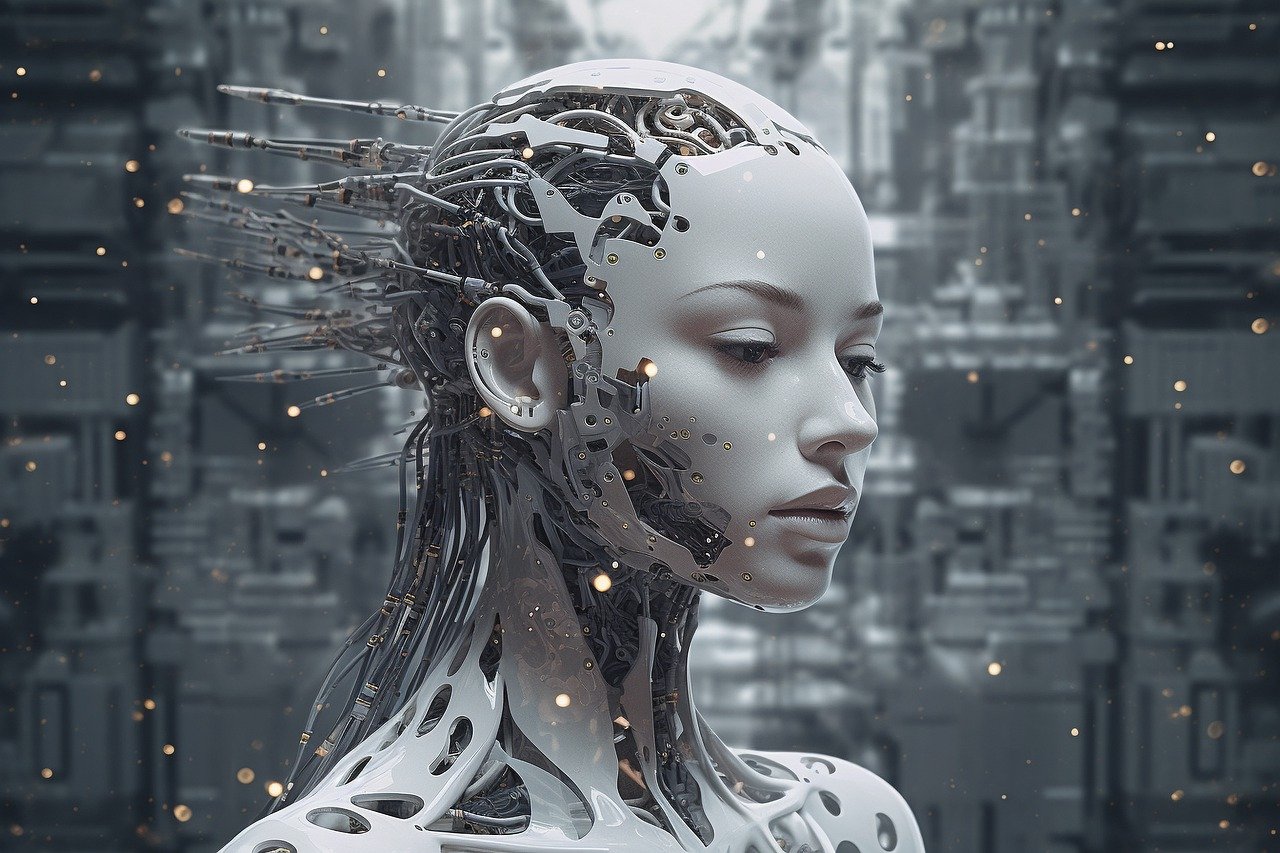
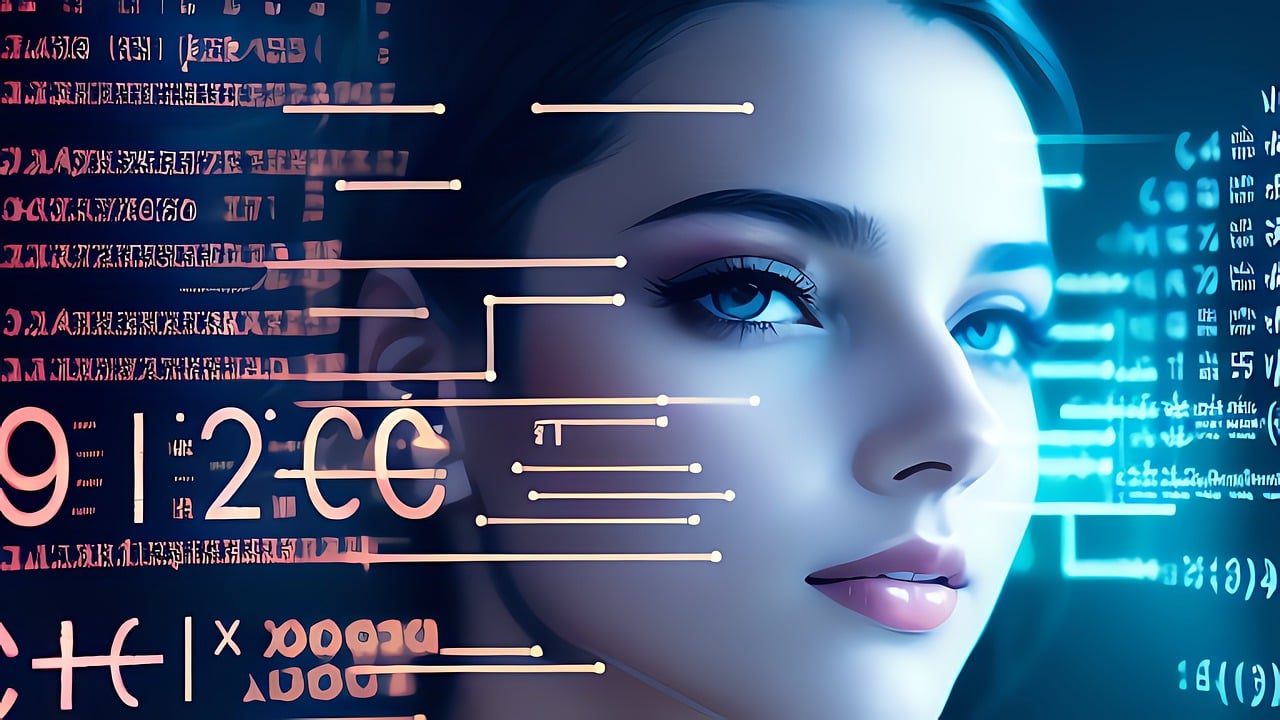
    The field of artificial intelligence (AI) has made tremendous strides over the past few years, and one of the most exciting developments is the ability of AI to generate realistic and high-quality images. This technology, known as image generation, is revolutionizing numerous industries, from entertainment and advertising to healthcare and transportation.

    One of the key components of image generation technology is the use of generative adversarial networks (GANs). GANs consist of two neural networks – a generator and a discriminator – that work together to create and evaluate images. The generator creates images from random noise or input data, while the discriminator assesses the quality of the images. Through a process of iteration and feedback, the generator learns to produce increasingly realistic images, while the discriminator learns to distinguish between real and fake images.

    The potential applications of image generation technology are vast and varied. In the entertainment industry, AI-generated imagery can be used to create lifelike characters and scenes for movies, video games, and virtual reality experiences. This can dramatically reduce the time and cost of creating visual effects, while also expanding the creative possibilities for filmmakers and game developers.

    In the advertising and marketing sector, AI-generated images can be used to create personalized and targeted visual content for consumers. This technology can enable brands to produce highly realistic and compelling visuals, tailored to individual preferences and demographics. This has the potential to revolutionize the way products and services are marketed and advertised, by delivering a more immersive and engaging experience to consumers.

    In the field of healthcare, image generation technology can be used to produce detailed and accurate medical images, such as MRI scans and X-rays. This can help healthcare professionals to better diagnose and treat patients, while also reducing the need for invasive and time-consuming medical procedures. AI-generated images can also enhance medical training and education, by providing realistic simulations of medical conditions and procedures.

    In the transportation industry, AI-generated images can be used to create immersive and realistic simulations for training pilots, drivers, and other transportation professionals. This can improve safety and efficiency, by providing real-world experiences without the risk of actual accidents or disasters. AI-generated images can also be used to develop and test autonomous vehicles, by generating realistic environments and scenarios for testing and validation.

    Despite the numerous benefits of image generation technology, there are also ethical and social implications to consider. The ability of AI to generate highly realistic fake images and videos raises concerns about misinformation and the potential for misuse. It is important for organizations and policymakers to develop guidelines and regulations for the responsible use of AI-generated images, to ensure that this technology is used ethically and for the benefit of society.

    In conclusion, the future of image generation technology holds great promise for numerous industries and sectors. Through the power of AI, we are witnessing the emergence of highly realistic and immersive visual content, with far-reaching implications for entertainment, advertising, healthcare, and transportation. As this technology continues to evolve, it is essential for stakeholders to work together to harness its potential, while also addressing the ethical and societal challenges it presents. Ultimately, the future of image generation technology is bright and full of potential, and it is an exciting time to be at the forefront of this groundbreaking development.
    Work From Home

  • How AI Image Generators Are Changing the Face of Digital Design

    How AI Image Generators Are Changing the Face of Digital Design

    Work From Home


    In recent years, artificial intelligence (AI) has been making significant advancements in the field of digital design. One of the most notable developments is the emergence of AI image generators, which have the capability to create stunning, high-quality images that rival those produced by human designers. These AI-powered tools are revolutionizing the way digital design is approached, and are changing the face of the industry in a number of ways.

    One of the most significant impacts of AI image generators is the speed at which they can create high-quality images. Traditionally, creating complex digital designs required extensive time and resources, as designers had to manually create and refine each element of the image. With AI image generators, this process is greatly accelerated, as the technology can rapidly produce a wide variety of images based on specified input parameters.

    Additionally, AI image generators are also improving the accessibility of digital design. With these tools, individuals with limited design experience can create professional-looking images, as the AI algorithms handle much of the technical and aesthetic aspects of the design process. This democratization of design has the potential to open up new opportunities for individuals and businesses to create high-quality visual content without the need for extensive design expertise.

    Another key benefit of AI image generators is their ability to generate images that are tailored to specific needs and preferences. By inputting parameters such as color schemes, styles, and other design elements, designers can use AI generators to quickly produce images that align with their vision. This level of customization and creative control allows for greater flexibility and efficiency in the design process.

    Furthermore, AI image generators are also enhancing the creative possibilities in digital design. These tools can generate a wide range of designs, from realistic landscapes and portraits to abstract compositions, enabling designers to explore new aesthetic directions and push the boundaries of traditional design practices. By providing a limitless wellspring of visual inspiration, AI image generators are empowering designers to think outside the box and experiment with bold and innovative concepts.

    Despite these advancements, the rise of AI image generators has sparked concerns about the potential impact on the role of human designers. Some fear that AI tools could replace the need for human creativity and expertise in the design process. However, many experts argue that while AI can aid in the design process, it cannot fully replicate the creative intuition and emotional intelligence that human designers bring to their work. Instead, AI image generators should be seen as valuable tools that complement and enhance the work of human designers, rather than replace them.

    In conclusion, AI image generators are revolutionizing digital design by providing a powerful and accessible tool for creating high-quality images. These tools are speeding up the design process, increasing accessibility, providing customization, and expanding creative possibilities. While concerns about the role of human designers in the face of AI technology persist, it’s clear that AI image generators are changing the digital design landscape for the better. As these tools continue to advance, they have the potential to transform the way we create and interact with visual content in the digital age.

    Work From Home

  • Exploring the Revolutionary Potential of AI Image Generators

    Exploring the Revolutionary Potential of AI Image Generators

    Work From Home


    Artificial Intelligence (AI) has already made a huge impact in various fields, from healthcare to finance and beyond. One area where AI has also been making waves is in the field of image generation. AI image generators are revolutionizing the way we create and perceive visual content, opening up new possibilities for creative expression and communication.

    AI image generators, also known as generative adversarial networks (GANs), are a type of AI that can create realistic images from scratch. These networks consist of two parts: a generator that creates images, and a discriminator that evaluates the images and provides feedback to the generator. Through a process of trial and error, the two parts work together to produce high-quality, realistic images.

    One of the most notable examples of AI image generators is the work of the research team at NVIDIA, who have created a GAN that can generate highly realistic images of people who don’t actually exist. This technology, called StyleGAN, has opened up new possibilities for creating lifelike images of people for various applications, such as video games, virtual reality, and digital art.

    The revolutionary potential of AI image generators is vast. For artists and designers, these tools provide a new way to create visual content, allowing them to experiment with new styles and techniques. Instead of spending hours creating images from scratch, artists can use AI to generate a base image and then modify it to fit their vision. This can save time and effort, allowing for more creative exploration and experimentation.

    In addition to the creative potential, AI image generators also have practical applications in fields such as interior design, fashion, and advertising. For example, companies can use AI image generators to create realistic mock-ups of products, allowing them to visualize how a design will look before going into production. This can save time and money, as well as reduce waste by allowing for more accurate planning and prototyping.

    Furthermore, AI image generators have the potential to democratize the creation of visual content. Traditionally, creating high-quality visual content required a certain level of expertise and resources. With the help of AI, anyone can create professional-looking images without needing specialized skills or expensive tools. This can empower individuals and small businesses to compete on a more level playing field with larger, more established companies.

    However, along with these exciting possibilities come ethical and societal considerations. As with any technology, AI image generators raise questions about privacy, the potential for misuse, and the impact on jobs in industries that rely on creating visual content. As AI image generators become more sophisticated and widely accessible, it will be important to address these concerns and ensure that the technology is used responsibly and ethically.

    In conclusion, AI image generators have the potential to revolutionize the way we create and perceive visual content. from empowering creatives to democratizing visual content creation, the possibilities are vast. As the technology continues to evolve, it will be important to explore its potential in a way that is mindful of ethical implications and societal impacts. AI image generators are a powerful tool that, if utilized responsibly, can truly transform the way we create and interact with visual content.

    Work From Home

  • The Rise of AI Image Generators: A New Era of Creativity

    The Rise of AI Image Generators: A New Era of Creativity

    Work From Home


    Artificial Intelligence (AI) has been continuously evolving and advancing in recent years, and one of the most fascinating developments in this field is the rise of AI image generators. These innovative tools use algorithms and machine learning to create realistic and high-quality images, and they are changing the way we think about creativity and visual art.

    The potential of AI image generators is vast, and they are already making a significant impact in various industries, including design, advertising, and entertainment. One of the key benefits of these tools is their ability to produce large volumes of unique and diverse images quickly and efficiently, which can be incredibly valuable for businesses and creators looking to stand out in a crowded market.

    AI image generators also have the potential to democratize the creative process and make it more accessible to a wider range of people. These tools can enable individuals with limited artistic skills or resources to create visually stunning content, opening up new possibilities for self-expression and storytelling.

    Furthermore, AI image generators have the capability to push the boundaries of visual art and inspire new forms of creativity. By leveraging the power of machine learning, these tools can experiment with unconventional styles and aesthetics, leading to the emergence of fresh and innovative visual languages.

    However, as with any powerful technology, the rise of AI image generators also raises important questions and concerns. For instance, some critics worry about the potential impact of these tools on the job market for traditional artists and designers. There are also ethical considerations around the use of AI-generated images, particularly in areas such as journalism and content creation where authenticity and originality are crucial.

    Despite these challenges, the rise of AI image generators represents a new era of creativity, offering a myriad of opportunities for businesses, artists, and creators to explore and experiment with visual storytelling. As these tools continue to evolve and improve, it is likely that they will play an increasingly significant role in shaping the future of visual art and design.

    Ultimately, the development of AI image generators highlights the potential for technology to enhance and augment human creativity, rather than replace it. By embracing these innovative tools and using them responsibly, we can unlock new possibilities and push the boundaries of what is possible in the world of visual art.

    Work From Home