
web analytics

Tag: can lose weight by not eating

  • Shedding a Few Pounds Can Help Control Blood Pressure, Study Shows

    Shedding a Few Pounds Can Help Control Blood Pressure, Study Shows

    Work From Home


    A recent study has found that losing just a few pounds can help control blood pressure. The study was conducted by researchers from the University of Glasgow and was published in the journal Hypertension.

    The researchers analyzed data from over 1,000 adults who had participated in a weight loss intervention program. The program aimed to help participants lose weight through a combination of dietary changes and increased physical activity. The researchers found that those who lost even a small amount of weight – between 3 and 5 percent of their body weight – showed significant improvements in their blood pressure readings.

    According to the lead author of the study, Dr. Jennifer Logue, “We found that losing just a few pounds can have a big impact on blood pressure. This is important because high blood pressure is a major risk factor for heart disease and stroke.”

    High blood pressure, also known as hypertension, is a condition in which the force of blood against the walls of the arteries is too high. This can cause damage to the arteries over time, leading to an increased risk of heart disease, stroke, and other health problems.

    weight loss can help to lower blood pressure by reducing the amount of work that the heart has to do to pump blood throughout the body. Losing weight can also help to reduce the amount of pressure on the walls of the arteries, making it easier for blood to flow through them.

    The study’s findings underscore the importance of maintaining a healthy weight for overall cardiovascular health. Even a small amount of weight loss can have a big impact on blood pressure, which can, in turn, reduce the risk of heart disease and stroke.

    If you’re looking to lose weight and improve your cardiovascular health, there are several things you can do. Eating a healthy, balanced diet that is rich in fruits, vegetables, whole grains, and lean protein is important for weight loss and overall health. Regular physical activity, such as walking, jogging, or cycling, can also help you lose weight and improve your cardiovascular health.

    In conclusion, this study highlights the importance of shedding a few pounds to control blood pressure. Losing even a small amount of weight can have a significant impact on blood pressure readings, reducing the risk of heart disease and stroke. So if you’re looking to improve your cardiovascular health, start by making small changes to your diet and exercise routine today.
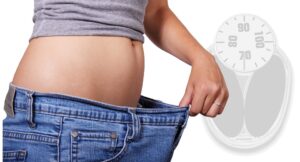
    Work From Home

  • Shedding Pounds: The Ultimate Solution to Lowering Blood Pressure

    Shedding Pounds: The Ultimate Solution to Lowering Blood Pressure

    Work From Home


    Obesity and hypertension are two significant health issues that are becoming increasingly prevalent globally. It is no surprise, therefore, that shedding pounds and maintaining a healthy weight is considered to be the ultimate solution for lowering blood pressure.

    Hypertension, which is also known as high blood pressure, is a condition that occurs when the force of the blood against the artery walls is consistently too high. Over time, hypertension can damage arteries and vital organs, leading to serious health complications such as heart attack, stroke, and kidney disease.

    Shedding pounds, especially body fat, is one of the most effective ways to reduce hypertension. This is because obesity is one of the leading causes of hypertension. Excess body fat, particularly around the waistline, creates more pressure on the blood vessels, making the heart work harder, leading to higher blood pressure levels.

    It has been proven that even modest weight loss can help reduce blood pressure levels. Researchers have suggested that losing as little as 5-10% of body weight can lead to significant reductions in blood pressure. However, it is important to note that maintaining a healthy weight and keeping blood pressure under control requires lifestyle changes that include a healthy diet and regular physical activity.

    A healthy diet is an essential component of weight loss and hypertension management. It is recommended that individuals consume a diet low in sodium, saturated and trans fats, and high in fruits, vegetables, whole grains, lean protein, and healthy fats. Additionally, reducing alcohol consumption and quitting smoking can further help lower blood pressure and promote overall health.

    Physical activity is also essential in shedding pounds and lowering blood pressure. Regular exercise can help reduce body weight, strengthen the heart, improve circulation and reduce stress levels, all of which can lower blood pressure. It is recommended that individuals engage in moderate-intensity aerobic activities such as brisk walking, cycling, or swimming, for at least 150-300 minutes per week, along with muscle-strengthening activities on at least two days a week.

    In conclusion, shedding pounds and maintaining a healthy weight is the ultimate solution to lowering blood pressure. This can be achieved through lifestyle changes that include a healthy diet and regular physical activity. It is also important to consult with a healthcare provider before starting any weight loss or exercise program, especially if you have pre-existing medical conditions. By taking these steps, you can significantly reduce your risk of hypertension and improve your overall health and wellbeing.

    Work From Home

  • Breaking News: Weight Loss Shown to Significantly Decrease High Blood Pressure

    Work From Home


    In what can be termed as a ray of hope for people suffering from high blood pressure, a recently conducted study has shown that weight loss can significantly decrease the risk of developing hypertension. Approximately 1 in 3 adults in the United States suffer from high blood pressure, a condition that can lead to severe health complications such as heart attacks and strokes.

    The study, published in the American Journal of Hypertension, conducted a meta-analysis of 28 trials involving more than 3,000 participants. It showed that weight loss can lead to a significant decrease in both systolic and diastolic blood pressure readings. Systolic blood pressure – the top number in a blood pressure reading – measures the amount of pressure in your arteries when your heart beats. Diastolic blood pressure – the bottom number – measures the amount of pressure between beats when your heart is resting.

    In the study, it was found that a weight loss of 5 kilograms (11 pounds) or more led to a decrease of 3.2 mm/Hg in systolic blood pressure and 2.6 mm/Hg in diastolic blood pressure. These results are significant, as a decrease in blood pressure of just 2 mm/Hg can lead to a 10% decrease in the risk of heart disease.

    The study’s lead author, Dr. Caihong Yuan from the School of Public Health at Qingdao University in China, said that the findings could mean that weight loss should become a priority in hypertension prevention and management. “Our findings suggest that losing weight could prevent thousands of deaths from hypertension each year,” she said.

    The link between weight loss and hypertension has long been known, but this study provides clear evidence of the extent of that link. Being overweight and obese increases the risk of developing high blood pressure, and the more weight a person carries, the higher the risk. Losing weight through healthy means such as exercise, a healthy diet, and lifestyle changes can significantly reduce the risk of hypertension. While medication can assist in controlling hypertension, lifestyle changes such as weight loss can provide long-term health benefits, lessen the need for medication, and reduce the risk of complications such as heart attacks and strokes.

    While the study’s authors emphasize the need for further research, they suggest that healthcare providers should encourage their patients to prioritize weight loss as a means of preventing and controlling hypertension. The study is a reminder to all of us of the importance of maintaining a healthy weight for long-term health benefits.

    Work From Home

  • Easing the Burden of Age-Related Weight Gain

    Work From Home


    As we age, our metabolism naturally slows down and we may experience weight gain. This can lead to a variety of health issues including diabetes, heart disease, and joint pain. However, there are steps we can take to ease the burden of age-related weight gain and maintain a healthy weight.

    One of the most important things is to stay active. Regular exercise has been shown to boost metabolism, strengthen bones and muscles, and improve overall health. It doesn’t have to be strenuous; even moderate activity like walking or light gardening can make a difference. As always, it’s best to consult with a doctor before starting a new exercise routine.

    Another key factor is diet. As we age, our bodies require fewer calories, so it’s important to choose nutrient-dense foods to ensure we get all the necessary vitamins, minerals, and protein without excess calories. This means fruits, vegetables, lean protein, and whole grains are all important components of a healthy diet. Additionally, drinking plenty of water and avoiding sugary drinks can be beneficial.

    It’s important to keep in mind that weight loss may not be as easy as it was in our younger years. Our bodies may not respond as quickly to diet and exercise, and it’s important to have realistic expectations. However, even small changes can make a big difference in the long run.

    In addition to diet and exercise, there are other lifestyle factors that can impact weight gain as we age. Getting enough sleep, managing stress, and limiting alcohol consumption can all have a positive impact on overall health and weight management.

    Finally, it’s important to seek support from friends, family, or healthcare providers. weight management can be challenging, and having a support system can be incredibly helpful. Many communities offer programs and resources for older adults looking to maintain a healthy weight.

    In conclusion, weight gain is a common concern for many as we age, but there are steps we can take to ease the burden. Staying active, eating a nutrient-dense diet, and focusing on lifestyle factors can all make a difference. With a little effort and support, we can maintain a healthy weight and enjoy optimal health as we age.

    Work From Home

  • Guide to Safe and Effective Weight Loss for Elderly Individuals

    Work From Home


    As we age, our metabolism slows down, and it becomes more difficult to lose weight. It’s important to approach weight loss in a safe and effective manner to decrease the risk of health problems and ensure good health. Here is a guide to safe and effective weight loss for elderly individuals.

    1. Consult your doctor before beginning any weight loss program. Your doctor can evaluate your health and determine if weight loss is safe for you.

    2. Set realistic goals. Losing weight slowly and gradually is safer and more sustainable. Aim to lose 1-2 pounds per week. Crash diets and extreme weight loss plans can be unsafe and ineffective in the long run.

    3. Cut back on calories. To lose weight, you need to consume fewer calories than you burn off each day. The easiest way to cut calories is to eat smaller portions and avoid high-calorie foods and drinks.

    4. Eat a balanced diet. A healthy diet is essential for safe and effective weight loss. Eat plenty of fruits, vegetables, whole grains, and lean proteins. Avoid processed foods, sugary snacks, and fatty meats.

    5. Stay hydrated. Drinking plenty of water can help you feel full, hydrated, and energized. Aim to drink at least eight glasses of water each day.

    6. Exercise regularly. Exercise helps you burn calories and build muscle mass, which can boost your metabolism. Aim to get at least 30 minutes of moderate exercise each day, such as brisk walking or swimming. Always talk to your doctor before starting a new exercise program.

    7. Get enough sleep. Poor sleep habits can lead to weight gain. Aim to get seven to eight hours of sleep each night to support your weight loss efforts.

    In conclusion, safe and effective weight loss for elderly individuals requires a combination of healthy eating, regular exercise, and good sleep habits. Remember to consult your doctor before beginning any weight loss program to ensure that it is safe for you. Focus on making sustainable lifestyle changes that promote good health and well-being.

    Work From Home

  • Lose Weight and Improve Your Health: The Benefits of Weight Loss for the Elderly

    Work From Home


    As we age, our bodies change, and it becomes increasingly challenging to maintain a healthy weight. Unfortunately, the elderly population today is facing an obesity epidemic, with over 40% of adults aged 60 and above being classified as overweight. This trend is alarming because it increases the risk of several chronic diseases, including heart disease, type 2 diabetes, and certain cancers. Additionally, carrying excess weight can put undue stress on joints, leading to pain and mobility issues. However, the good news is that even moderate weight loss can significantly improve health outcomes for the elderly.

    Here are some of the benefits of losing weight for the elderly:

    1. Reduced risk of chronic diseases

    Studies have shown that losing weight can help reduce the risk of several chronic illnesses, including heart disease, type 2 diabetes, and some cancers. As we age, the risk of developing these diseases increases, and weight loss can help combat this. Losing weight can also improve blood pressure, cholesterol levels, and blood sugar levels, all of which are crucial for overall health.

    2. Increased mobility and independence

    Maintaining a healthy weight can help improve mobility, reducing the risk of falls and injuries. Carrying excess weight can put undue stress on joints, leading to pain and discomfort. Losing weight can reduce this stress, leading to improved joint health, and increased mobility. This can help seniors maintain their independence and improve their quality of life.

    3. Improved cognitive function

    Obesity has been linked to several cognitive disorders, including dementia and Alzheimer’s disease. Losing weight can help reduce the risk of these diseases, improving cognitive function in the elderly. Additionally, weight loss has been shown to improve memory and focus, leading to better overall mental health.

    4. Increased energy and vitality

    Losing weight can help improve energy levels and overall vitality. This can help seniors feel more active and engaged in life, leading to better overall health outcomes. Additionally, weight loss can help reduce instances of sleep apnea, leading to better overall sleep quality.

    In conclusion, weight loss is crucial for overall health and well-being, regardless of age. However, for the elderly population, the benefits of weight loss are particularly significant. By reducing the risk of chronic diseases, improving mobility and independence, and increasing energy and vitality, weight loss can help improve the quality of life for seniors. Therefore, it’s essential for seniors to focus on maintaining a healthy weight, with regular exercise, a balanced diet, and a healthy lifestyle.

    Work From Home

  • Lose Weight and Feel Younger: Tips for Seniors

    Work From Home


    When you reach the golden years, staying active and maintaining a healthy weight is vital for overall health and wellbeing. Not only can shedding those extra pounds help alleviate joint pain and reduce your risk of chronic diseases, but it can also help you feel younger and more energized. Here are some tips for seniors looking to lose weight and feel younger:

    1. Make a Plan: Before you start any weight loss program, it’s important to have a plan in place. Set realistic goals and establish a routine that fits your lifestyle. Consult with your doctor or a registered dietitian to create a safe and effective plan that takes into account any health concerns or medications you may be taking.

    2. Choose Nutrient-Rich Foods: Focus on consuming nutrient-rich foods such as fruits, vegetables, whole grains, lean proteins, and healthy fats. These foods not only provide more nutrients per calorie, but they can also help you feel fuller longer and maintain steady blood sugar levels.

    3. Stay Hydrated: As we age, our sense of thirst decreases, which can lead to dehydration. Staying hydrated is essential for both weight loss and overall health. Aim to drink at least 8 cups of water per day, and try incorporating low-sugar beverages such as herbal tea or infused water.

    4. Exercise Regularly: Exercise has numerous benefits for seniors. Not only can it help with weight loss and muscle maintenance, but it can also improve balance, flexibility, and cognitive function. Aim for at least 30 minutes of exercise daily, and mix it up with a variety of activities such as walking, swimming, yoga, or weightlifting.

    5. Get Enough Sleep: Getting enough sleep is crucial to weight loss and overall health. Aim for at least 7 hours of sleep every night, and establish a pre-sleep routine that includes winding down with relaxation techniques such as reading or meditation.

    6. Manage Stress: Chronic stress can lead to weight gain and increase the risk of chronic diseases. Find healthy ways to manage stress such as deep breathing, yoga, or socializing with friends and family.

    By following these tips, seniors can lose weight, feel younger, and improve their overall health and wellbeing. Remember to consult with your doctor before starting any weight loss program, and always listen to your body’s needs.

    Work From Home

  • The Practical Guide to Healthy Weight Loss for Seniors

    Work From Home


    As seniors, carrying excess weight can lead to multiple health issues including heart disease, diabetes, and joint problems. However, losing weight can be easier said than done. It requires dedication and a good understanding of what healthy weight loss looks like for seniors. Here is a practical guide to help seniors achieve healthy weight loss.

    Consult with Your Doctor
    Before starting any weight loss regimen, it is essential to consult with your doctor. Your doctor can evaluate any health issues that may affect weight loss and determine what changes are safe for you.

    Set Realistic Goals
    Before embarking on any weight loss program, it is essential to set realistic goals. Setting an unattainable goal will only set you up for disappointment. Aim to lose about 1-2 pounds per week, and this can be achieved by reducing caloric intake and increasing physical activity.

    Watch Your Diet
    One of the most crucial aspects of achieving healthy weight loss is diet control. This means eating a balanced diet that includes fruits, vegetables, lean proteins, and healthy fats. Seniors should avoid processed foods that are high in salt, sugar, and unhealthy fats. It is also essential to watch portion sizes.

    Stay Hydrated
    Drinking plenty of water is crucial to staying healthy and achieving weight loss. Aim to drink at least 8-10 glasses of water a day. Water not only helps to flush toxins from your body but also helps to increase metabolism and keep you feeling full for longer periods.

    Get Moving
    Exercise is essential in any weight loss program. Seniors can participate in low-impact activities such as walking, swimming, or yoga to get their bodies moving. Regular exercise not only burns calories but also helps to build lean muscle mass, which can increase metabolism and aid in weight loss.

    Track Your Progress
    Tracking your progress is key to staying motivated. Keep track of your progress through a food diary, exercise log, and weight measurements. Celebrate small victories along the way, and don’t be discouraged by setbacks.

    In conclusion, healthy weight loss for seniors requires discipline and dedication. Follow these practical guidelines, and you will achieve your weight loss goals while staying healthy and physically fit. Remember to consult with your doctor before starting any weight loss program.

    Work From Home

  • Lose Weight Fast: How to Shed Pounds with a 1000-Calorie Diet

    Work From Home


    Losing weight can be a daunting task for anyone, but some people may find it harder than others. If you’re looking for a quick and effective way to lose weight, you may want to consider following a 1000-calorie diet plan. This type of diet can help you shed pounds quickly, but it’s important to approach it with caution and seek advice from a healthcare professional before starting.

    What is a 1000-Calorie Diet Plan?

    A 1000-calorie diet plan is a type of calorie-restrictive diet that aims to limit your daily caloric intake to 1000 calories. This is a significant reduction from the recommended daily calorie intake of 2000-2500 calories for women and 2500-3000 calories for men. This diet involves cutting down your portion sizes and eating low-calorie foods like fruits, vegetables, lean protein, and whole grains.

    How Does a 1000-Calorie Diet Plan Help You lose weight?

    When you eat fewer calories than your body needs, it starts using your fat stores as a source of energy. This leads to weight loss. By limiting your daily caloric intake to 1000 calories, your body will be burning more calories than it consumes, creating a calorie deficit that helps you lose weight. However, it’s crucial to note that this diet should not be followed for a prolonged period of time, as it may lead to nutrient deficiencies and health problems.

    What Foods Should You Eat on a 1000-Calorie Diet Plan?

    When following a 1000-calorie diet plan, it’s important to choose low-calorie foods that are also nutritious and filling. You should focus on eating whole, natural foods that are high in fiber, protein, and healthy fats. Some of the foods you can include in your diet plan include:

    – Fruits and vegetables: These are low in calories and high in fiber, vitamins, and minerals. They can help you feel full and satisfied while keeping your calorie intake low.

    – Lean protein: Chicken breast, turkey, fish, tofu, and egg whites are good sources of lean protein that can help you build and maintain muscle mass. They are also low in calories, making them ideal for a 1000-calorie diet.

    – Whole grains: Brown rice, quinoa, and whole wheat bread are healthy sources of carbohydrates that can provide you with long-lasting energy while keeping your calorie intake low.

    – Low-fat dairy products: Greek yogurt, skim milk, and low-fat cheese are good sources of calcium and protein while being low in calories.

    What Foods Should You Avoid on a 1000-Calorie Diet Plan?

    When following a 1000-calorie diet plan, it’s important to avoid high-calorie foods that are also low in nutrients. These include:

    – Sugary drinks: Soda, fruit juices, and sports drinks are high in sugar and calories, and they provide little to no nutritional value. Instead, you should drink water, tea, or coffee without sugar.

    – Processed foods: Foods that are high in fat, salt, and sugar, such as fast food, chips, and baked goods, should be avoided because they are calorie-dense and low in nutrients.

    – Alcohol: Alcohol is high in calories and provides little nutritional value. Drinking alcohol can also increase your appetite, making it harder to stick to your diet.

    Is a 1000-Calorie Diet Plan Safe?

    Following a 1000-calorie diet plan for a short period of time is generally safe for most people. However, it’s important to approach this type of diet with caution and seek advice from a healthcare professional before starting. Long-term calorie restriction can lead to nutrient deficiencies and health problems, so it’s important to make sure you’re getting enough vitamins, minerals, and protein while following this diet plan.

    In Conclusion

    A 1000-calorie diet plan can be an effective way to lose weight quickly. However, you should approach this type of diet with caution and seek advice from a healthcare professional before starting. You should choose low-calorie, nutritious foods and avoid high-calorie, processed foods. Remember that long-term calorie restriction can lead to nutrient deficiencies and health problems, so it’s important to make sure you’re getting enough nutrients while following this diet plan. Stick to this diet for a short period of time and pair it with regular exercise to achieve optimal weight loss results.

    Work From Home

  • Lose Weight Fast: The 1000 Calorie a Day Diet

    Work From Home


    Losing weight is a goal that many people strive to achieve. However, with so many diets and weight loss programs available, it can be overwhelming to choose the right one for you. One diet that has gained popularity in recent years is the 1000 calorie a day diet. This diet involves consuming only 1000 calories per day in order to lose weight quickly. In this article, we will discuss the benefits and drawbacks of this diet, as well as some tips for successfully implementing it.

    Benefits of the 1000 Calorie a Day diet

    The main benefit of the 1000 calorie a day diet is rapid weight loss. By consuming fewer calories, your body is forced to burn fat for energy, resulting in a quick reduction in weight. In addition, this diet can be a good way to jumpstart a weight loss journey or break through a plateau.

    Another benefit of this diet is that it is relatively simple to follow. By limiting your daily calorie intake, you don’t have to worry about counting macros or tracking your food in great detail. This can make the diet easier to stick to and less overwhelming than other weight loss programs.

    Drawbacks of the 1000 Calorie a Day diet

    While the 1000 calorie a day diet can be effective for rapid weight loss, it also carries some drawbacks. Firstly, a 1000 calorie diet is very low in calories and may not be sustainable or healthy for everyone, especially those with medical conditions or who are very active.

    Additionally, a lack of proper nutrition can lead to nutrient deficiencies, as there may not be enough calories to provide all the vitamins and minerals your body needs. This can result in fatigue, weakness, and other health issues.

    Tips for Successful Implementation

    If you are considering the 1000 calorie a day diet, it is important to do so safely and responsibly. Here are some tips for successful implementation:

    1. Consult with a healthcare professional before starting any diet or weight loss program.

    2. Make sure you are getting enough protein, as this will help you feel full and maintain muscle mass.

    3. Incorporate low calorie, nutrient-dense foods such as fruits and vegetables.

    4. Maintain adequate hydration by drinking plenty of water.

    5. Consider incorporating light exercise to help boost weight loss and maintain muscle mass.

    Conclusion

    The 1000 calorie a day diet can be an effective way to lose weight quickly, but it is not without its drawbacks. It is important to approach this diet with caution and ensure that you are getting adequate nutrition and consulting with a healthcare professional if necessary. By doing so, you can safely achieve your weight loss goals.

    Work From Home