web analytics

Tag: chat gpt for images

  • GPT for Images: How AI is Changing the Way We Communicate

    GPT for Images: How AI is Changing the Way We Communicate

    Work From Home


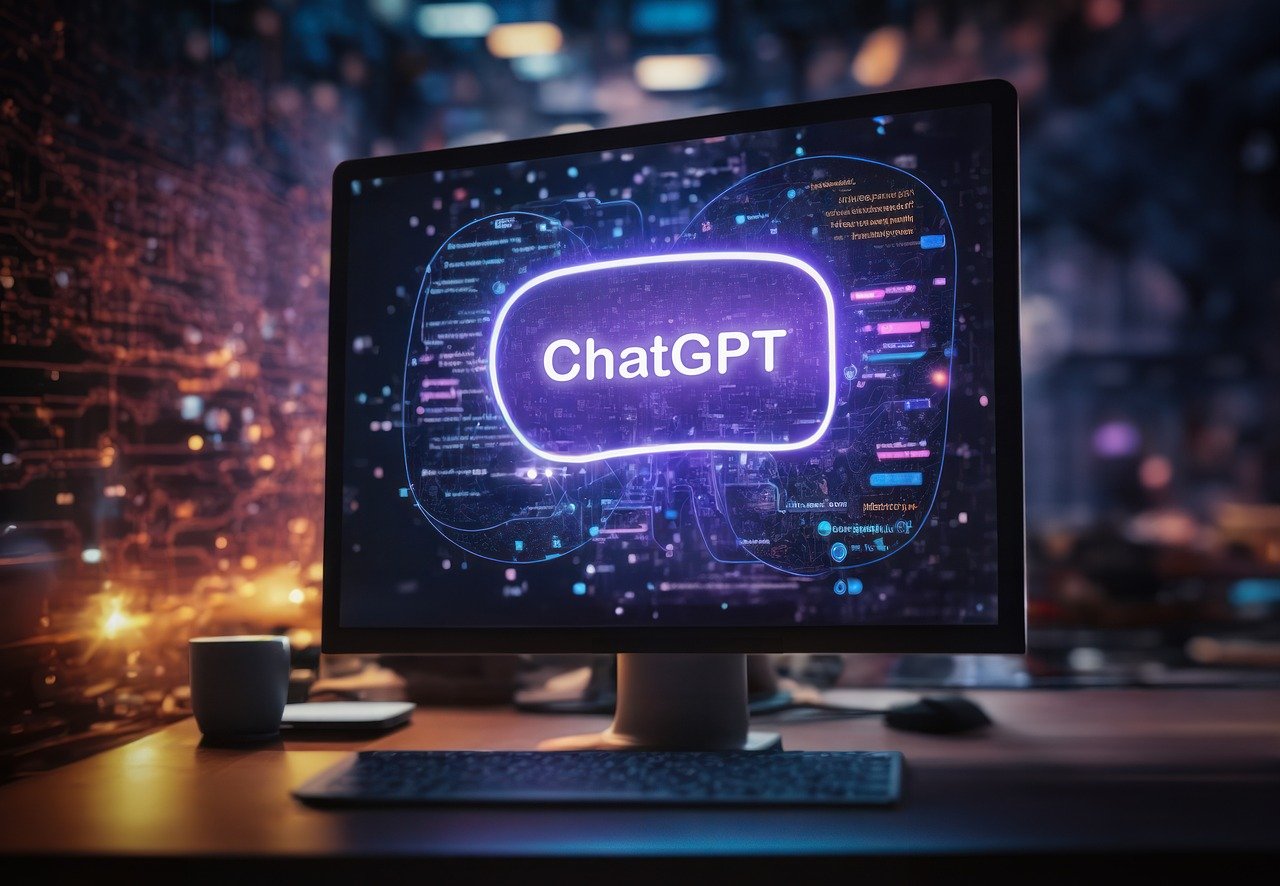
    Artificial Intelligence (AI) has been making significant strides in changing the way we communicate, and one of the latest advancements in this field is the introduction of Generative Pre-trained Transformers (GPT) for images.

    GPT for images is a revolutionary technology that utilizes AI to generate and understand visual content. These GPT models are trained on massive amounts of images and are capable of generating realistic and high-quality images, as well as understanding and interpreting visual data.

    This breakthrough in AI has the potential to revolutionize the way we interact with visual content and communicate with each other. from social media platforms to e-commerce websites, GPT for images is set to transform the way we share, create, and consume visual content.

    One of the most impactful ways GPT for images is changing the way we communicate is through content creation. With the rise of social media influencers, bloggers, and content creators, the demand for visually appealing and engaging content has never been higher. GPT for images can help streamline the content creation process by generating high-quality images that align with a creator’s vision. This technology could potentially save creators time and resources, allowing them to focus on other aspects of their work.

    Furthermore, GPT for images has the potential to significantly enhance the e-commerce experience. With the ability to generate realistic product images, this technology can provide consumers with a more immersive and realistic shopping experience. Additionally, it can help businesses create visually appealing and persuasive marketing materials, ultimately driving higher engagement and sales.

    In addition to content creation and e-commerce, GPT for images is also poised to transform the way we communicate in the field of visual arts. Artists and designers can leverage this technology to spark new creative ideas and streamline their design process. GPT for images can assist in generating initial concepts and visual references, allowing artists to focus on refining and expanding their creative vision.

    Moreover, GPT for images has the potential to make visual content more accessible to individuals with disabilities. By generating and interpreting visual content, this technology can help make images more understandable and navigable for individuals with visual impairments.

    However, it is important to acknowledge the potential ethical implications and challenges that come with the widespread adoption of GPT for images. from issues related to copyright and intellectual property to concerns about the misuse of generated images, these are challenges that need to be addressed as this technology continues to evolve.

    In conclusion, GPT for images is a game-changer in the world of visual communication. This AI technology has the potential to revolutionize the way we create, share, and consume visual content, ultimately shaping the future of how we communicate through images. As GPT for images continues to advance, it will be fascinating to see the impact it has on various industries and how it will continue to transform the way we interact with visual content.
    Work From Home

  • The Future of Image Chat: GPT and the Power of Artificial Intelligence

    The Future of Image Chat: GPT and the Power of Artificial Intelligence

    Work From Home


    The Future of Image Chat: GPT and the Power of Artificial Intelligence

    In the age of digital communication, images have become an integral part of how we interact with one another. from memes to emojis, images have become a staple in our online conversations. But what if we could take this a step further and have meaningful conversations using images? This is where the future of image chat comes in, and with the rise of artificial intelligence (AI), this futuristic concept is becoming a reality.

    One of the most exciting developments in AI and image chat is the use of Generative Pre-trained Transformer (GPT) models. GPT is a type of AI that has been trained on large amounts of text data and is capable of understanding and generating human-like text. This technology has recently been extended to image chat, allowing for the generation of responses to images in a conversational context.

    The potential applications of image chat powered by AI are vast. For example, it could be used in customer service to provide more dynamic and engaging interactions with customers. Instead of text-based responses, companies could use image chat to communicate with their customers, providing more personalized and visually appealing interactions.

    Furthermore, image chat could revolutionize the way we communicate with one another. Imagine having a conversation with a friend using only images, with the AI-powered chatbot providing relevant and engaging responses. This could open up new ways for people to connect and communicate, especially for those who struggle with traditional text-based communication.

    However, with these exciting possibilities comes potential ethical and privacy concerns. AI-powered image chat relies on access to large amounts of data, including personal images and conversations. This raises questions about privacy and data protection, and how this technology will be used in a way that respects users’ privacy and consent.

    Additionally, there is the issue of bias in AI. GPT and other AI models have been found to exhibit bias based on the data they have been trained on. It is crucial for developers to address and mitigate this bias in image chat to ensure that the technology is fair and inclusive for all users.

    Despite these challenges, the future of image chat and AI is incredibly promising. As the technology continues to evolve, we can expect to see more sophisticated and seamless interactions with images in conversation. The potential for AI to enhance and enrich our communication is vast, and image chat is likely to become an integral part of our digital interactions in the years to come.

    In conclusion, the future of image chat powered by AI, particularly GPT, is incredibly exciting. from revolutionizing customer service to transforming the way we connect with one another, AI-powered image chat has the potential to change the way we communicate in the digital age. As this technology continues to develop, it will be important to address privacy and bias concerns to ensure that image chat is used in a way that respects and benefits all users.

    Work From Home

  • Exploring the Impact of GPT in Image Chat: AI’s Next Frontier

    Exploring the Impact of GPT in Image Chat: AI’s Next Frontier

    Work From Home


    Artificial Intelligence (AI) has made significant advancements in recent years, particularly in the field of language processing. The development of Generative Pre-trained Transformers (GPT) has allowed AI systems to generate human-like text, leading to a wide array of applications such as language translation, chatbots, and content generation. However, the impact of GPT is not limited to just language processing; it has also started to make waves in the world of image chat, marking AI’s next frontier.

    Image chat refers to the process of generating a response to an image prompt, such as engaging in a conversation or answering questions about the image. While this may seem like a straightforward task for humans, it represents a significant challenge for AI systems. Conventional image recognition algorithms often struggle to understand the context and nuances of an image, making it difficult to generate coherent and relevant responses.

    GPT, with its ability to understand and process complex language, has the potential to bridge this gap. By integrating GPT with image recognition algorithms, AI systems can be trained to not only recognize images but also to generate natural language responses that accurately reflect the content and context of the images.

    The impact of GPT in image chat can be seen in various domains. In the field of e-commerce, for example, AI-powered image chat systems can assist customers in finding products by analyzing their image-based queries and providing relevant recommendations. In the healthcare industry, AI can be used to analyze medical images and provide diagnostic insights, aiding in the early detection and treatment of diseases. Similarly, in the field of content creation, AI systems can generate descriptive and engaging captions for images, making them more accessible to visually impaired individuals and enhancing the overall user experience.

    One of the key challenges in leveraging GPT for image chat is the need to train the model on a diverse and comprehensive dataset of images and associated text. This requires large-scale, high-quality datasets that capture the breadth and depth of visual and textual information. Additionally, the model needs to be fine-tuned to ensure that it can generate accurate and contextually relevant responses.

    Another consideration is the ethical implications of using AI for image chat. As AI becomes more adept at understanding and generating natural language, there is a growing need to ensure that it operates within ethical boundaries. This includes addressing concerns related to bias, privacy, and consent in the context of image chat.

    Despite these challenges, the potential benefits of leveraging GPT in image chat are significant. By enabling AI systems to understand and respond to images in a natural language, we can unlock new possibilities in a wide range of applications, from customer service and content creation to healthcare and education.

    In conclusion, the impact of GPT in image chat represents AI’s next frontier. By combining the power of image recognition with natural language processing, AI systems can better understand and respond to visual information, opening up new opportunities for innovation and advancement in various domains. As AI continues to evolve, the potential of image chat powered by GPT is set to transform how we interact with and leverage visual content, shaping the future of AI applications.

    Work From Home

  • How GPT is Revolutionizing Image Chat with AI Technology

    How GPT is Revolutionizing Image Chat with AI Technology

    Work From Home


    GPT, or Generative Pre-trained Transformer, is a type of artificial intelligence (AI) that has been revolutionizing the way we communicate with images. This technology, developed by OpenAI, has been making waves in the field of image chat, enabling users to have more meaningful and engaging conversations using images.

    Image chat with AI technology allows users to communicate with AI systems using images, rather than just text or voice. This means that instead of simply inputting text or speaking to an AI system, users can now send images and receive intelligent responses and interactions. This is where GPT comes in.

    GPT is able to understand the content of an image and generate text-based responses that are relevant and appropriate. This enables more natural and fluid conversations, as users can now communicate with AI systems in a way that is similar to how they would communicate with other humans.

    One of the key features of GPT that makes it so revolutionary in image chat is its ability to understand and analyze the content of an image. This is achieved through a process known as image captioning, where the AI system is able to generate a description of the image in text form. GPT is able to understand the context and content of the image and generate responses that are relevant and engaging.

    This technology has numerous applications, with the potential to revolutionize the way we interact with AI systems. For example, GPT can be used in chatbots to provide more intuitive and natural conversations, as well as in customer service applications to help users find information or resolve issues using images. It also has the potential to be used in educational settings, where students can utilize image chat to enhance their learning and understanding of complex concepts.

    The implications of GPT in image chat are vast, and it has the potential to significantly improve the way we communicate with AI technology. It opens up new possibilities for more natural and intuitive interactions, and could pave the way for more seamless integration of AI into our daily lives.

    As GPT continues to evolve and improve, we can expect to see even more exciting applications and advancements in the field of image chat with AI technology. The potential for GPT to revolutionize the way we communicate with images is limitless, and it will be fascinating to see how this technology continues to develop in the future.

    Work From Home