web analytics

Tag: When Covid Started

  • The Inflection Point: When Covid Started and Everything Changed

    The Inflection Point: When Covid Started and Everything Changed

    Work From Home


    The Inflection Point: When Covid Started and Everything Changed

    The year 2020 will be remembered as the year when everything changed. The coronavirus pandemic swept across the globe, disrupting lives, economies, and societies. The first cases of Covid-19 were reported in Wuhan, China, in December 2019, and by March 2020, the World Health Organization declared it a global pandemic. At that moment, the world stood at an inflection point, a pivotal moment that would reshape the course of history.

    When the pandemic began, no one could have predicted the extent of its impact. Entire countries went into lockdown, businesses closed, and millions of people lost their jobs. The way we lived, worked, and interacted with each other changed drastically. Terms like social distancing, quarantine, and face masks became part of our everyday vocabulary. The world as we knew it came to a standstill, and we were forced to adapt to a new reality.

    The impact of the pandemic was felt in every aspect of our lives. The healthcare system was overwhelmed as hospitals struggled to care for the increasing number of Covid-19 patients. Frontline workers, including doctors, nurses, and essential workers, risked their lives to keep society functioning. Meanwhile, the economy suffered as businesses faced closures and layoffs. The global supply chain was disrupted, leading to shortages of essential goods and services.

    Education also faced significant challenges. Schools and universities shifted to online learning, forcing students and educators to adapt to a new way of teaching and learning. Many students struggled with the lack of social interaction and the digital divide, which highlighted existing inequalities in education.

    The pandemic also exposed and exacerbated existing social and economic inequalities. Vulnerable communities, including low-income individuals, racial minorities, and migrant workers, were disproportionately affected by the pandemic. The crisis laid bare the structural inequities within our societies, prompting calls for social and economic reform.

    As the pandemic unfolded, it became clear that the world would never be the same. Countries scrambled to contain the virus through mass vaccinations, testing, and contact tracing. Governments implemented stimulus packages to support struggling economies and enacted public health measures to limit the spread of the virus. Meanwhile, scientists and researchers raced to develop vaccines and treatments for Covid-19, leading to an unprecedented global effort to combat the virus.

    The pandemic also sparked innovation and resilience in the face of adversity. Businesses pivoted to remote work, digital services, and e-commerce to stay afloat. Healthcare systems adopted telemedicine and virtual care to continue providing essential services to patients. Communities rallied together to support each other through acts of kindness and solidarity.

    Now, as we look back on the inflection point when Covid started and everything changed, we can see the profound impact it had on our lives. The pandemic forced us to confront our vulnerabilities and rethink our priorities. It highlighted the interconnectedness of the world and the need for global cooperation in times of crisis. While the road ahead remains uncertain, the experience of the pandemic has taught us valuable lessons about resilience, compassion, and the potential for positive change. As we continue to navigate the challenges of the post-pandemic world, we must strive to build a more equitable, sustainable, and inclusive future for all.


    Work From Home

  • From Normal to New Normal: The Timeline of When Covid Started

    From Normal to New Normal: The Timeline of When Covid Started

    Work From Home


    From Normal to New Normal: The Timeline of When Covid Started

    The Covid-19 pandemic has dramatically changed the way we live, work, and interact with one another. It has forced us to adapt to a new way of life, commonly referred to as the “new normal.” But when exactly did this new normal begin? Let’s take a look at the timeline of when Covid-19 started and how it has impacted our daily lives.

    December 2019: The Emergence of a New Virus
    The first cases of a mysterious illness were reported in December 2019 in the city of Wuhan, China. The virus, later named Covid-19, quickly spread throughout the region, sparking concerns about a potential global pandemic.

    January 2020: The Spread of Covid-19
    As the virus continued to spread, cases were reported in other countries, including Thailand, Japan, and South Korea. The World Health Organization (WHO) declared the outbreak a Public Health Emergency of International Concern and urged countries to take necessary measures to prevent the spread of the virus.

    March 2020: The World Goes into Lockdown
    By March 2020, the rapid spread of Covid-19 had led to a global pandemic. Countries around the world implemented lockdowns, travel restrictions, and social distancing measures in an effort to slow the spread of the virus. Schools, businesses, and public spaces were closed, and people were advised to stay home to reduce the risk of infection.

    April 2020: Adapting to the New Normal
    As the pandemic continued, people began to adapt to the new normal. Face masks, hand sanitizers, and social distancing became a part of everyday life. Many businesses transitioned to remote work, and virtual events and gatherings became the new norm.

    Summer 2020: Easing Restrictions and Reopening
    As the number of cases started to decline, some countries began to ease restrictions and reopen businesses and public spaces. However, the new normal remained in place, with continued emphasis on hygiene and safety measures.

    2021: Vaccination and Hope for Recovery
    The development and distribution of Covid-19 vaccines brought hope for ending the pandemic. Vaccination efforts began in many countries, and as more people became vaccinated, restrictions were further eased. However, new variants of the virus and continued transmission underscored the need to remain vigilant and adaptable in the face of the ongoing pandemic.

    The Future: Embracing the New Normal
    As we continue to navigate the Covid-19 pandemic, it is clear that the new normal is here to stay for the foreseeable future. The experience of living through a global pandemic has shaped our society in profound ways, from changing how we work and socialize to redefining our understanding of health and safety.

    As we move forward, it is important to embrace the new normal and find ways to adapt to the challenges it presents. This may involve finding new ways to connect with others, rethinking how we approach health and hygiene, and being flexible in the face of uncertainty.

    The timeline of when Covid-19 started marks a turning point in our collective experience, and as we continue to adjust to the new normal, we can find strength and resilience in our ability to adapt and overcome adversity.

    Work From Home

  • A Year Like No Other: Reflecting on When Covid Started

    A Year Like No Other: Reflecting on When Covid Started

    Work From Home


    As we approach the one-year mark since the World Health Organization declared Covid-19 a global pandemic, it’s hard to believe that an entire year has passed since our lives were turned upside down. In the span of just a few weeks, the world went from normalcy to lockdowns, mask mandates, and social distancing guidelines. A year like no other, indeed.

    Reflecting on the past year, it’s almost surreal to think about how different things were just twelve months ago. We were going about our everyday lives, planning vacations, celebrating birthdays and holidays with loved ones, and generally taking for granted the freedom and social interactions we all enjoyed. Then, in a matter of days, it all came to a screeching halt.

    The initial uncertainty and fear of the unknown consumed many of us as the virus spread rapidly around the world. We were bombarded with news of rising case numbers, overwhelmed hospitals, and heartbreaking stories of loss and suffering. The gravity of the situation became painfully clear, and we were all forced to adapt to a new way of life.

    The early days of the pandemic were undoubtedly challenging, with the sudden shift to remote work, virtual learning, and limited social interactions taking a toll on our mental and emotional well-being. For some, the isolation and uncertainty were particularly difficult to navigate, and the ongoing impact of Covid-19 on mental health is undeniable.

    On the flip side, the pandemic also brought out the best in many people. Communities came together to support one another, frontline workers became heroes, and acts of kindness and generosity were abundant. We found new ways to connect with others, whether through virtual gatherings, socially distanced visits, or simply checking in on friends and family more often. The pandemic forced us to re-evaluate our priorities and appreciate the little things that we may have taken for granted before.

    As vaccines have started to roll out and signs of hope emerge, it’s a reminder of the strength and resilience of the human spirit. Despite the challenges and hardships we’ve faced over the past year, we’ve also witnessed incredible acts of courage, compassion, and perseverance that give us reason to believe in a brighter future.

    Looking back on this past year, it’s important to recognize the collective strength and resilience that has carried us through. We’ve adapted, learned, and grown in ways we never could have imagined. We’ve navigated uncertainty, loss, and change with a determination and resilience that will be remembered for generations to come.

    As we reflect on a year like no other, let’s also look forward with hope and optimism. The challenges of the past year have undoubtedly shaped us, but they have also shown us the power of unity, kindness, and compassion. As we continue to navigate the ongoing effects of Covid-19, may we carry with us the lessons learned, the strength gained, and the hope for a better tomorrow.

    Work From Home

  • The Unprecedented Impact: How the World Changed When Covid Started

    The Unprecedented Impact: How the World Changed When Covid Started

    Work From Home


    The Covid-19 pandemic has caused an unprecedented impact on the world, changing the way we live, work, and interact with one another. Since the first cases were reported in Wuhan, China in late 2019, the virus has spread to nearly every corner of the globe, infecting millions and causing widespread disruption to daily life.

    One of the most significant impacts of Covid-19 has been on global health systems. Hospitals and healthcare facilities have been overwhelmed with patients, leading to shortages of essential supplies and equipment. Healthcare workers have been on the front lines, risking their lives to care for those affected by the virus. The pandemic has also revealed disparities in access to healthcare, with marginalized communities being disproportionately affected by the virus.

    The economy has also been heavily impacted by the pandemic. Businesses have been forced to close their doors, leading to widespread job losses and financial hardship for millions of people. The travel and hospitality industries have been hit particularly hard, with airlines, hotels, and restaurants facing a significant decline in revenue. Governments around the world have implemented stimulus packages and financial aid to support businesses and individuals through this challenging time.

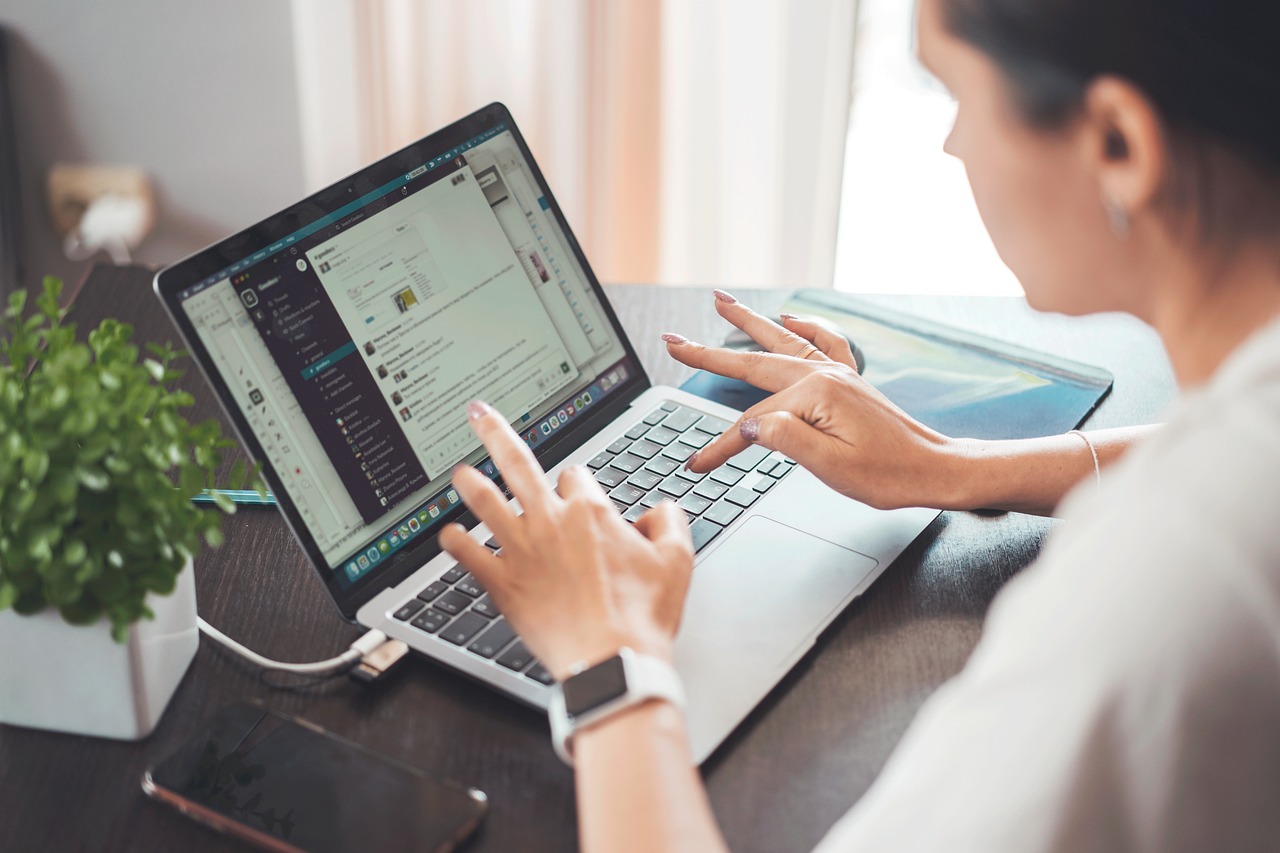
    The pandemic has also brought about significant changes to the way we work and communicate. With many people forced to work from home, remote working has become the new norm. Online meetings and virtual events have replaced in-person gatherings, and businesses have had to adapt to new ways of operating. The shift to remote work has also highlighted the importance of digital infrastructure and technology in ensuring that businesses can continue to function during a crisis.

    Social distancing and lockdown measures have had a profound impact on mental health and well-being. Many people have experienced increased feelings of isolation and loneliness, while others have struggled with anxiety and stress. The pandemic has also brought about an increased awareness of the importance of mental health support and access to resources for those in need.

    The Covid-19 pandemic has also had a profound impact on the environment. With fewer cars on the road and reduced industrial activity, air pollution levels have dropped significantly in many parts of the world. Wildlife has also been observed thriving in areas that were previously heavily populated by humans. The pandemic has highlighted the urgent need for sustainable practices and environmental conservation to ensure the health of the planet for future generations.

    The unprecedented impact of Covid-19 has led to a global reevaluation of priorities and values. It has shown the interconnectedness of the world and the importance of collaboration and solidarity in times of crisis. As we continue to navigate the challenges of the pandemic, it is essential to reflect on the lessons learned and work towards creating a more resilient and compassionate world.

    Work From Home