
web analytics

Tag: will tinnitus go away

  • The Spiritual Significance of Tinnitus: A Thought-Provoking Exploration

    The Spiritual Significance of Tinnitus: A Thought-Provoking Exploration

    Work From Home


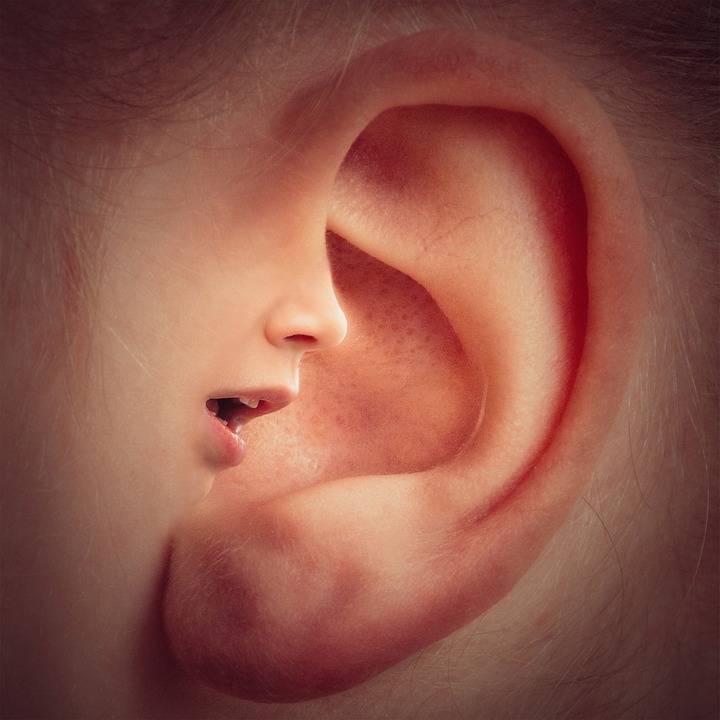
    tinnitus, also known as ringing in the ears, can be a frustrating and sometimes debilitating condition. However, for some individuals, it holds a deeper spiritual significance. In this article, we will explore the concept of tinnitus as a potential message from the universe, and delve into ways to interpret and utilize this condition on a spiritual level.

    Firstly, it is important to understand that tinnitus is not a purely physical phenomenon. While it can be caused by things like exposure to loud noises or ear infections, it can also manifest in individuals with no apparent physical cause. This suggests that there may be a deeper, more metaphysical aspect to tinnitus.

    From a spiritual perspective, many believe that tinnitus is a message from the universe. Some interpret it as a sign of higher consciousness, an invitation to delve deeper into spiritual practice and awakening. Others see it as a message from spirit guides or angels, signaling a need for greater mindfulness and self-awareness.

    There are many ways to interpret the meaning behind tinnitus. Some believe that it is a reminder to stay present and attentive to the present moment – after all, ringing in the ears can be a difficult distraction. Others suggest that it is a call to listen more closely to our inner voice, and to trust our intuition.

    Some individuals also believe that tinnitus can be a sign of spiritual awakening. As we become more attuned to our inner selves and the universal energy around us, we may begin to experience physical and sensory manifestations of this heightened awareness. tinnitus can be seen as a physical manifestation of this awakening, a signal that our spiritual journey is progressing.

    Of course, tinnitus can also be a difficult and frustrating condition to live with. It can cause stress, anxiety, and difficulty sleeping. From a spiritual perspective, however, it is important to remember that all experiences – even challenging ones – can offer valuable lessons and opportunities for growth.

    If you experience tinnitus, there are many ways to explore its spiritual significance. Meditation, mindfulness practices, and spiritual journaling can all help you connect with your inner self and interpret the messages that tinnitus may be offering. Seek out like-minded individuals or join a spiritual community to share your experiences and gain insight from others.

    Ultimately, tinnitus – like all experiences – can offer a unique opportunity for personal and spiritual growth. By embracing its potential message and delving deeper into your own spirituality, you may find greater peace and understanding in your journey.

    Work From Home

  • Deconstructing Tinnitus: Exploring the Meaning of This Common Condition

    Deconstructing Tinnitus: Exploring the Meaning of This Common Condition

    Work From Home


    tinnitus is a common condition that affects millions of people worldwide. It is characterized by the perception of ringing, buzzing, or other sounds in the ears or head that have no external source. While tinnitus can be annoying or distressing, it is not typically a serious medical problem. However, understanding the meaning of this condition can help people cope with their symptoms and may lead to new treatments.

    To deconstruct tinnitus, it is important to first understand how it works. tinnitus can be caused by a variety of factors, including damage to the ear from loud noise, ear infections, certain medications, and aging. The condition occurs when the brain perceives sounds that are not present in the external environment, often due to damage in the auditory system. These phantom sounds can be continuous or intermittent and may be perceived as high-pitched whistling, buzzing, humming, or clicking.

    One way to explore the meaning of tinnitus is to consider its impact on individuals’ lives. Some people may experience only mild annoyance or occasional discomfort from their symptoms, while others may be severely distressed by their tinnitus. In severe cases, tinnitus can interfere with concentration, sleep, and communication, leading to anxiety, depression, and other negative effects on mental health.

    Another way to deconstruct tinnitus is to examine the ways in which individuals cope with their symptoms. Some people may find relief from tinnitus through relaxation techniques, such as meditation or yoga. Others may benefit from cognitive-behavioral therapy, which helps individuals change negative thoughts and behaviors related to tinnitus. Some people may find relief from using white noise machines, hearing aids, or other devices designed to mask the sound of tinnitus.

    Finally, researchers are working to understand the neurological mechanisms underlying tinnitus, which may lead to new treatments for the condition. Studies have found that tinnitus is associated with changes in neural activity in the brain, particularly in regions involved in auditory processing and emotional regulation. By targeting these neural circuits with drugs or other interventions, researchers hope to alleviate tinnitus symptoms in the future.

    In conclusion, deconstructing tinnitus can provide valuable insights into this common condition. By understanding the causes and impact of tinnitus, as well as the coping strategies used by individuals with the condition, we can better support people who are affected by tinnitus. Additionally, ongoing research into the neurological mechanisms underlying tinnitus holds promise for the development of new treatments and potential cures.

    Work From Home

  • The Perceived Meanings of Tinnitus: How It Affects One’s Mental Health and Well-being

    The Perceived Meanings of Tinnitus: How It Affects One’s Mental Health and Well-being

    Work From Home


    tinnitus is a medical condition that affects millions of people worldwide. It’s characterized by a constant ringing, whistling, or buzzing sound in the ears, and it can be incredibly irritating and stressful for those who experience it. However, tinnitus isn’t just a physical condition – it can also have a profound impact on one’s mental health and well-being. In this article, we’ll explore the perceived meanings of tinnitus and how they affect our mental health.

    The Perceived Meanings of tinnitus

    One of the primary ways that tinnitus affects a person’s mental health is by causing a sense of existential distress. When someone experiences tinnitus, they may feel that their quality of life is compromised, that they’re unable to enjoy social situations, or that they’re just generally unhappy. These feelings can lead to depression, anxiety, and other mental health issues.

    One of the reasons that tinnitus can be so distressing is that it’s often perceived as a threat to our sense of identity. For many people, their sense of self is wrapped up in their ability to hear and communicate with others. When this critical aspect of their identity is compromised, it can feel like their entire sense of self is under threat. This can lead to a loss of self-esteem, self-worth, and self-confidence and can make it challenging to function in everyday life.

    Another common perception is that tinnitus is a sign of aging or disease, which can increase feelings of anxiety and stress. This can lead to a more negative overall perception of our health and well-being, as well as a perceived decrease in our overall quality of life.

    How tinnitus Affects Mental Health and Well-being

    The perceived meanings of tinnitus can have a profound impact on a person’s mental health and well-being. For example, studies have shown that tinnitus can lead to depression and anxiety, and may increase the risk of suicide. Additionally, tinnitus can cause sleep disturbance, which can lead to fatigue, irritability, and difficulty concentrating.

    Another way that tinnitus affects mental health is by increasing social isolation. Many people with tinnitus report that they’re unable to participate in social activities or gatherings because the noise is too distracting or overwhelming. This can lead to feelings of loneliness and isolation, which can have further negative effects on mental health.

    Lastly, tinnitus can cause stress and frustration, leading to an overall decrease in quality of life. For example, tinnitus can make it challenging to concentrate, focus, or complete tasks, which can increase stress levels and reduce productivity.

    Conclusion

    tinnitus is a complex medical condition that can have a profound impact on a person’s mental health and well-being. The perceived meanings of tinnitus – such as a threat to our sense of self or a sign of aging – can lead to depression, anxiety, and other mental health issues. Recognizing the impact that tinnitus can have on mental health is crucial for finding effective treatments and support for those who suffer from it.

    Work From Home

  • Making Sense of Tinnitus: The Importance of Understanding Its Symbolism

    Making Sense of Tinnitus: The Importance of Understanding Its Symbolism

    Work From Home


    tinnitus, commonly known as ringing in the ears, affects about 15% of the global population. It is a condition where individuals perceive sound without any external source. The sound can be described as ringing, buzzing, whistling, or even roaring. tinnitus is not a disease; it is a symptom of an underlying condition such as hearing loss, ear infections, or exposure to loud noise.

    While tinnitus can be a debilitating condition, it is important to understand its symbolism. The human body is a complex system that communicates with us through various symptoms, including tinnitus. Symbolism is the use of symbols to represent ideas or qualities. Once we understand the symbolism of tinnitus, it can help us navigate the underlying issues causing the condition.

    tinnitus can be symbolic of a loss of inner balance. The ear is a part of the body responsible for balance and equilibrium. When we experience tinnitus, it may be an indication that we are off-balance in some way. This imbalance can be physical, mental, or emotional. Therefore, it is essential to visit a doctor to determine the underlying cause of the tinnitus.

    tinnitus can also be a symbol of unresolved emotional trauma. Emotional trauma can affect the body in many ways, including tinnitus. It is essential to acknowledge and address any emotional trauma that may be causing the tinnitus symptoms. This could include seeking therapy, meditation, or other forms of self-care.

    In some cases, tinnitus can be a symbol of a spiritual awakening. Spiritual awakening is a process that involves a profound shift in consciousness. tinnitus can be a sign of spiritual awakening, indicating that the individual is opening up to a higher level of consciousness. If tinnitus is part of a spiritual awakening, it is important to focus on spiritual growth and practices such as meditation and mindfulness.

    In conclusion, tinnitus can be a difficult condition to live with, but it is important to understand its symbolism. The symbolism of tinnitus can provide insight into underlying issues that need addressing, including physical balance, emotional trauma, and spiritual awakening. Therefore, individuals experiencing tinnitus should seek medical attention and explore holistic approaches to treating the condition. By understanding the symbolism of tinnitus, we can use it to improve our overall health and well-being.

    Work From Home

  • The Hidden Messages Behind Tinnitus: Enlightening Perspectives from Experts

    The Hidden Messages Behind Tinnitus: Enlightening Perspectives from Experts

    Work From Home


    tinnitus or ringing in the ears is a common condition affecting millions of people around the world. Those who suffer from it experience a constant noise that can be anything from a ringing, buzzing, or humming sound in one or both ears. It can be incredibly distressing and can affect a person’s quality of life, causing them to feel anxious, stressed, and even depressed.

    But what causes tinnitus, and is there more to it than just a ringing sound in the ears? According to experts, there are several hidden messages behind tinnitus that can shed light on the condition’s underlying causes and help sufferers manage their symptoms more effectively.

    One of the most common messages behind tinnitus is stress. Stressful situations can trigger or exacerbate tinnitus, causing the sufferer to hear a constant noise in their ears. Experts suggest that this could be because stress increases the production of cortisol, a hormone released by the body’s adrenal glands that can damage inner ear cells and trigger tinnitus.

    Another hidden message behind tinnitus is exposure to loud noises. Prolonged exposure to loud sounds can damage the hair cells in the inner ear, leading to hearing loss and tinnitus. This is why experts recommend wearing ear protection if you work in a noisy environment or attending concerts or events with loud music.

    tinnitus can also be a sign of an underlying medical condition. For example, it can be a side effect of certain medications or a symptom of conditions such as high blood pressure, Meniere’s disease, or ear wax buildup. Therefore, it’s essential to see a healthcare professional if you experience tinnitus to rule out any underlying health issues.

    Lastly, experts suggest that tinnitus may be related to emotional and spiritual issues. Some people believe that tinnitus is a sign of unresolved trauma, grief, or emotional distress. Others suggest that it could be a sign of spiritual awakening, and that by embracing the experience and learning to listen to the sounds, sufferers can gain insight into their innermost thoughts and emotions.

    In conclusion, tinnitus is a complex condition that can have a range of underlying causes. Understanding the hidden messages behind tinnitus can help sufferers manage their symptoms more effectively and seek appropriate treatment if necessary. By taking a holistic approach to tinnitus, sufferers can gain a deeper understanding of themselves and their inner worlds, leading to a greater sense of peace and well-being.

    Work From Home

  • Unlocking the Mystery of Tinnitus: Understanding Its Meaning and Implications

    Unlocking the Mystery of Tinnitus: Understanding Its Meaning and Implications

    Work From Home


    tinnitus is a widespread medical condition that causes an individual to perceive sounds that do not exist externally. These phantom sounds can manifest in a variety of forms, ranging from ringing and buzzing to hissing and whistling. tinnitus can occur in one or both ears and can affect people of all ages.

    The precise cause of tinnitus is not yet fully understood. Several factors can lead to the onset of tinnitus, including exposure to loud noises, ear infections, head trauma, and stress. It is believed that tinnitus occurs when the tiny hair cells in the inner ear that transmit sound to the brain become damaged or die off. This damage results in a change in the way sounds are processed by the brain, leading to the perception of phantom noises.

    tinnitus can be either subjective or objective. Subjective tinnitus is the most common type and is a result of damage to the inner ear or auditory nerve. Objective tinnitus is a rare form of tinnitus that can be heard by observing an affected individual’s ear. It is typically caused by a blood vessel disorder, a middle ear bone condition, or muscle contractions.

    The symptoms of tinnitus can vary from mild and intermittent to severe and long-lasting. Some individuals may experience tinnitus only when exposed to loud noises, while others may experience it continuously. The severity of tinnitus can also be affected by factors such as stress levels, medication use, and lack of sleep.

    While there is no cure for tinnitus, several treatment options are available that can help alleviate its symptoms. These treatments can range from lifestyle modifications such as reducing exposure to loud noises, managing stress levels, and avoiding caffeine or alcohol, to sound-based therapies such as white noise machines, masking devices, and hearing aids.

    Research indicates that tinnitus can significantly impact an individual’s quality of life and can lead to a range of emotional and psychological distress. Those experiencing tinnitus may struggle with anxiety, depression, difficulty sleeping, and social isolation. It is crucial for individuals experiencing tinnitus to seek medical help to manage and reduce their symptoms.

    In conclusion, tinnitus is a widespread condition that affects individuals of all ages. While no cure exists for tinnitus, several treatments are available that can help alleviate its symptoms. By understanding the causes and implications of tinnitus, those suffering from this condition can take steps to manage their symptoms and improve their quality of life.

    Work From Home

  • Discovering the Significance of Tinnitus: A Deep Dive into the Condition

    Discovering the Significance of Tinnitus: A Deep Dive into the Condition

    Work From Home


    tinnitus is a medical condition that is characterized by a persistent ringing or buzzing in the ears, without any external sound sources. It is estimated that around 15% of the global population is affected by tinnitus, making it a significant public health issue. While it is typically associated with age-related hearing loss, it can also be caused by exposure to loud noises, head injuries, ear infections, and certain medications.

    tinnitus can be a frustrating and distressing condition. The constant ringing or buzzing can interfere with daily activities, making it difficult to concentrate, communicate, or even sleep. It can lead to anxiety, depression, and even social isolation. Despite being a commonly experienced health issue, there is still little understanding about the underlying causes and effective treatments for tinnitus.

    However, with more research being conducted, there is growing evidence that tinnitus is more than just a symptom of hearing loss. Studies have shown that there are structural and functional changes in the brain that accompany tinnitus, suggesting that it is a complex disorder that involves not just the ears, but also the central nervous system.

    Recent research has also highlighted the link between tinnitus and other health conditions such as cardiovascular disease, diabetes, and mood disorders. While the exact mechanism behind this association is not clear, it is believed that the circulatory and nervous systems play a role in tinnitus pathogenesis.

    Furthermore, there is evidence supporting the use of cognitive-behavioral therapy, mindfulness-based practices, and neuromodulation techniques such as transcranial magnetic stimulation in managing tinnitus symptoms. These therapies have been shown to help individuals cope with the psychological distress associated with tinnitus by improving their emotional regulation and promoting relaxation. Neuromodulation, on the other hand, targets the areas of the brain that are involved in tinnitus perception and has shown promising results in reducing tinnitus severity and perception.

    While ongoing research is needed to better understand the underlying mechanisms of tinnitus, it is clear that this is a significant health issue that can have a profound impact on one’s quality of life. It is essential for individuals who experience tinnitus to seek medical attention, undergo assessment, and receive appropriate treatment. Moreover, it is crucial to raise awareness of the condition and its impact on overall health and wellbeing, to prevent social stigmatization and promote early detection and intervention. Ultimately, through collaboration between medical professionals, researchers, and individuals with tinnitus, we can discover more effective treatments and achieve better outcomes for those affected by this condition.

    Work From Home

  • Living With Tinnitus: Stories of Coping With Persistent Ringing in the Ears

    Living With Tinnitus: Stories of Coping With Persistent Ringing in the Ears

    Work From Home


    Living with tinnitus, a condition characterized by persistent ringing or buzzing in the ears, can be incredibly challenging. For those who suffer from the condition, it can feel as though there is no escape from the constant noise, which can cause anxiety, depression, and sleep disturbances. However, there are people who have managed to find ways to cope and even thrive with tinnitus.

    One such person is Sarah, a musician who has had tinnitus for several years. Sarah reports that initially, the ringing in her ears was so loud that it was impossible for her to concentrate on anything else. She experienced anxiety and depression, which only worsened the tinnitus. However, Sarah found that learning to manage her anxiety through mindfulness practices and therapy helped to lessen the impact of tinnitus on her life. Additionally, Sarah invested in high-quality noise-cancelling headphones, which have allowed her to continue playing music without aggravating her tinnitus.

    Another person who has learned to cope with tinnitus is John, who has had the condition for over a decade. John initially found that the ringing in his ears made it difficult to engage in social activities, as he found it hard to follow conversations in noisy environments. However, John has found that using a white noise machine at night has helped him get better sleep, and engaging in activities like yoga and meditation has helped him manage his stress levels, which in turn has lessened the severity of his tinnitus.

    Finally, there is Ella, who has had tinnitus for several years after a traumatic experience. For Ella, the most helpful thing has been connecting with others who have tinnitus through support groups and social media. This has allowed her to feel less alone in her struggles with the condition and has given her hope that there are ways to manage tinnitus effectively. Additionally, Ella has found that sound therapy, which involves using specific frequencies of sound to help reset the nervous system, has helped to lessen the severity of her tinnitus.

    While living with tinnitus can feel overwhelming and isolating, there are people who have found ways to manage the condition and live full and fulfilling lives. From investing in noise-cancelling headphones to practicing mindfulness and connecting with others with tinnitus, there are many strategies available to help cope with the persistent ringing in the ears. By sharing their stories of coping with tinnitus, people like Sarah, John, and Ella offer hope and inspiration to others who may be struggling with the condition.

    Work From Home

  • Tinnitus Symptoms in Children: Recognizing and Treating Early Signs

    Tinnitus Symptoms in Children: Recognizing and Treating Early Signs

    Work From Home


    tinnitus is a condition marked by constant or intermittent ringing, buzzing or hissing sounds in the ears, where the sound isn’t linked to an obvious source. While most people associate tinnitus with adults, it can also affect children, starting from as young as the age of 6. Although tinnitus in children it is relatively rare, it’s important to recognize and treat it early to prevent it from impacting their quality of life.

    Identifying the Symptoms:

    The symptoms of tinnitus in children can vary depending on the severity of the condition, but they are mostly noticeable when the child is in a quiet environment. Some common tinnitus symptoms that parents should look out for include:

    1. ringing, buzzing or hissing sounds in the ears.
    2. Sudden sensitivity to certain sounds.
    3. Difficulty sleeping due to continuous buzzing or ringing sounds.
    4. Lack of focus or signs of irritability.
    5. Complaints about constant noise in one or both ears.
    6. Reduced social activity and communication.

    The causes of tinnitus in children can vary, as it’s not related to one single factor. Some of the typical causes of tinnitus in children are ear injuries or infections, loud noises, or exposure to loud music or fire alarms.

    Treating tinnitus in Children:

    Treatment for tinnitus in children depends on the underlying cause, severity, and the symptoms the child has been experiencing. Parents can play an important role in treating tinnitus in their children by monitoring the child’s hearing and talking to their physicians or audiologists if any problems arise.

    Some conventional treatment options that parents can consider include:

    1. Cognitive-behavioral therapy: This therapy is focused on helping children to manage their tinnitus symptoms through relaxation techniques or distraction techniques.

    2. Sound therapy: Sound therapy is a non-invasive treatment that uses low-level background noise to help children maintain their attention and prevent them from hearing the ringing or buzzing noises.

    3. hearing aids: hearing aids can be a helpful way to manage tinnitus symptoms and improve the child’s overall hearing abilities.

    In addition, parents can also encourage healthy lifestyle choices such as improved nutrition, regular exercise, and adequate sleep to prevent the condition from worsening.

    In conclusion, tinnitus in children can have a significant impact on a child’s quality of life. If you suspect that your child is experiencing tinnitus symptoms, it’s important to speak to their physician or audiologist immediately. Early diagnosis and treatment can help prevent tinnitus from becoming a long-term condition, allowing your child to enjoy a healthy and fulfilling life.

    Work From Home

  • When Silence is Golden: How Tinnitus Symptoms Can Affect Sleep

    When Silence is Golden: How Tinnitus Symptoms Can Affect Sleep

    Work From Home


    tinnitus is a condition that affects millions of people around the world. It is characterized by an unrelenting ringing or buzzing noise that can be heard inside the ear. While tinnitus symptoms vary in intensity and duration from person to person, the condition can be extremely disruptive, especially when it comes to getting a good night’s sleep.

    Getting enough sleep is essential for physical and mental health. Lack of sleep not only leads to irritability, but it can also increase the risk of chronic diseases such as obesity, diabetes, and heart disease. Unfortunately, people with tinnitus symptoms are often unable to get the recommended seven to nine hours of sleep per night due to the constant noise.

    When we sleep, our brains and bodies undergo a series of complex processes that are essential for our well-being. Sleep helps to rebuild muscle tissue, strengthen our immune system, and improve brain function. If we don’t get enough sleep, we can become less alert and less able to cope with stress. For people with tinnitus, the added stress of hearing constant noise can make it even harder to get restful sleep.

    All too often, people with tinnitus symptoms report that they feel exhausted during the day, even after a full night’s sleep. This is because the brain is working overtime to process the constant ringing, making it harder to achieve the deep, restorative sleep that we all need. Over time, this lack of sleep can have significant physical and mental health effects, including depression and anxiety.

    There are several strategies that people with tinnitus can use to help them get better sleep. One of the most effective is to create a peaceful, quiet sleeping environment. This could mean investing in a white noise machine, earplugs, or even a soundproof room. Reducing or eliminating the sources of external noise can help to drown out the tinnitus symptoms, making it easier to fall and stay asleep.

    Another essential strategy is to practice good sleep hygiene. This means establishing a regular sleep schedule, avoiding caffeine and alcohol before bed, and avoiding electronic devices during the hour before bedtime. Creating a relaxing bedtime routine can also encourage restful sleep.

    In conclusion, tinnitus can be an extremely disruptive condition, especially when it comes to sleep. However, there are several strategies that people with tinnitus symptoms can use to help them get better rest. By creating a peaceful, quiet environment and practicing good sleep hygiene, people with tinnitus can reduce the impact of the constant ringing or buzzing in their ears and improve their overall health and well-being. Remember, sometimes, silence is golden, especially when it comes to getting a good night’s sleep.

    Work From Home