
web analytics

Tag: will weight loss lower blood pressure

  • Transform Your Health: How Shedding Excess Weight Can Help You Control Blood Pressure

    Transform Your Health: How Shedding Excess Weight Can Help You Control Blood Pressure

    Work From Home


    Maintaining a healthy weight is paramount for overall well-being, and one of the significant benefits is its positive impact on controlling blood pressure. High blood pressure, also known as hypertension, affects millions of people worldwide and can lead to serious health complications if left unchecked. Shedding excess weight through lifestyle changes and medical interventions can significantly help in managing this condition and transforming your health.

    Obesity and high blood pressure often go hand in hand. Excess body weight puts additional strain on the heart, forcing it to work harder to pump blood throughout the body, leading to increased blood pressure. By shedding those extra pounds, individuals can significantly reduce their blood pressure levels and improve their overall cardiovascular health.

    weight loss achieved through a well-balanced diet and regular exercise has proven to be an effective method for managing hypertension. A healthy eating plan, rich in fruits, vegetables, whole grains, lean proteins, and low-fat dairy products, can provide essential nutrients while reducing sodium, cholesterol, and unhealthy fats. This translates into lower blood pressure levels and reduced risk of heart disease.

    Physical activity also plays a crucial role in weight management and blood pressure control. Engaging in regular exercise not only helps burn calories but also strengthens the heart and improves its efficiency. Aerobic exercises such as brisk walking, swimming, cycling, or dancing, for at least 150 minutes a week, can have a significant impact on blood pressure levels. Additionally, strength-training exercises a couple of times a week can further enhance cardiovascular health.

    In some cases, lifestyle changes may not generate the desired weight loss or blood pressure control. Under the supervision of a healthcare professional, medical interventions such as pharmacotherapy or weight-loss surgery may be recommended. Anti-hypertensive medications can effectively control blood pressure while working in conjunction with dietary and lifestyle modifications. Bariatric surgery, on the other hand, can be a life-saving option for those struggling with severe obesity and its associated health complications, including hypertension.

    It is essential to note that losing weight is not a quick fix but a sustainable journey towards better health and well-being. Aim for gradual weight loss, around 1-2 pounds per week, through a combination of healthy eating habits, regular exercise, and long-term lifestyle changes.

    By shedding excess weight, individuals with high blood pressure can experience a significant improvement in their overall health. Lower blood pressure levels lead to reduced risk of heart disease, stroke, and other cardiovascular complications. Furthermore, weight loss can result in increased energy levels, enhanced self-confidence, and a general sense of well-being.

    To embark on this transformative health journey, it is crucial to consult with a healthcare professional who can provide personalized advice and support. They can help create a tailored plan to suit individual needs, monitor progress, and adjust treatment options accordingly.

    In conclusion, shedding excess weight is not only about improving appearance but also about transforming health, particularly when it comes to controlling blood pressure. A combination of healthy eating habits, regular exercise, and medical interventions when necessary can work wonders in managing hypertension and reducing the associated risks. So, take control of your health today and embark on a journey towards a healthier, happier you.
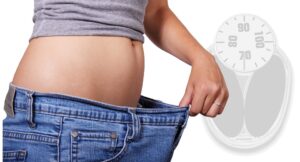

    Work From Home

  • The Relationship Between Weight Loss and Hypertension: What You Need to Know

    The Relationship Between Weight Loss and Hypertension: What You Need to Know

    Work From Home


    The Relationship Between weight loss and Hypertension: What You Need to Know

    Hypertension, commonly known as high blood pressure, is a medical condition that affects millions of people worldwide. It occurs when the force of blood against the artery walls is consistently too high, leading to increased strain on the cardiovascular system. If left untreated, hypertension can contribute to serious health problems such as heart disease, stroke, and kidney failure.

    While there are several factors that can contribute to the development of hypertension, one significant aspect that has been widely studied is weight. Numerous studies have indicated a strong connection between weight loss and a decrease in blood pressure levels. Understanding and addressing this relationship can have a profound impact on managing hypertension effectively.

    Firstly, it is crucial to recognize the impact of excess weight on blood pressure levels. When individuals are overweight or obese, their bodies require more blood to supply oxygen and nutrients to the cells. As a result, the heart has to work harder, leading to increased pressure on the arteries. Additionally, excess weight often causes the release of certain hormones and inflammatory substances that constrict blood vessels and further elevate blood pressure.

    Fortunately, research has consistently shown that weight loss can significantly lower blood pressure. A study conducted by the National Heart, Lung, and Blood Institute found that for every kilogram (2.2 pounds) of weight lost, there was an average decrease of approximately 1mmHg in both diastolic and systolic blood pressure. This reduction in blood pressure can help individuals with hypertension to better manage their condition, thus reducing the risk of associated complications.

    So how does weight loss have an impact on blood pressure? There are several mechanisms at play. Firstly, shedding excess weight leads to a decrease in the workload of the heart. As individuals lose fat stores, blood vessels become less constricted, allowing blood to flow more freely and reducing the force required to pump it. Consequently, blood pressure levels decrease, lessening strain on the heart and arteries.

    Moreover, losing weight can also lead to improvements in other cardiovascular risk factors. For example, weight loss is often accompanied by a reduction in cholesterol levels, especially harmful low-density lipoprotein (LDL) cholesterol. This decrease in LDL cholesterol can help improve the health of blood vessels, making them more flexible and less likely to develop plaque deposits. In turn, this decreases the risk of atherosclerosis, a condition characterized by the narrowing and hardening of arteries that contributes to hypertension and other cardiovascular complications.

    Considering the strong link between weight loss and hypertension management, it is crucial for individuals with high blood pressure to adopt a healthy lifestyle that includes regular physical activity and a balanced diet. Incorporating aerobic exercises as well as strength training can aid in weight loss and improve cardiovascular health. Additionally, diets rich in fruits, vegetables, whole grains, and lean proteins have been associated with significant reductions in blood pressure.

    However, it is important to note that weight loss should be approached in a sustainable manner. Crash diets or extreme measures can have adverse effects on blood pressure levels. Gradual weight loss, aiming for approximately 0.5 to 1 kilogram (1 to 2 pounds) per week, is generally recommended. It is advisable to consult a healthcare professional or a registered dietitian to develop a personalized plan that suits individual needs and health conditions.

    In conclusion, weight loss and hypertension have a symbiotic relationship. Shedding excess weight has been proven to lower blood pressure levels and reduce the risk of associated cardiovascular complications. By adopting a healthy lifestyle that includes regular physical activity and a balanced diet, individuals can achieve sustainable weight loss and effectively manage hypertension. Embracing these lifestyle changes can ultimately lead to better heart health and improved overall well-being.

    Work From Home

  • The Importance of Weight Loss for Managing High Blood Pressure

    The Importance of Weight Loss for Managing High Blood Pressure

    Work From Home


    High blood pressure, also known as hypertension, is a common health condition that affects millions of people worldwide. It occurs when the force of blood against the walls of the arteries is consistently too high, putting a strain on the cardiovascular system. If left untreated, it can lead to serious health problems such as heart disease, stroke, and kidney disease. One effective method to manage high blood pressure is through weight loss.

    Excess weight, especially around the waistline, is closely associated with high blood pressure. This is because excess body fat increases the volume of blood in circulation, which, in turn, raises the pressure on the arterial walls. Additionally, excessive weight can lead to other risk factors for high blood pressure, such as insulin resistance, high cholesterol levels, and diabetes.

    Losing weight has been proven to significantly reduce blood pressure levels, even in individuals with a moderate weight loss. According to the American Heart Association, losing as little as 5-10% of one’s body weight can have a noticeable impact on lowering blood pressure. This weight loss can be achieved through a combination of healthy eating, regular physical activity, and lifestyle changes.

    When it comes to healthy eating, focusing on a balanced diet that includes plenty of fruits, vegetables, whole grains, lean proteins, and healthy fats is essential for weight loss and blood pressure management. Reducing the intake of sodium, processed foods, and sugary beverages is also crucial as they contribute to weight gain and high blood pressure.

    Regular physical activity is another key component in managing high blood pressure. Engaging in regular exercise for at least 150 minutes a week can help lower blood pressure, increase cardiovascular fitness, and aid in weight loss. Physical activities such as walking, swimming, cycling, and strength training are all excellent options to incorporate into a regular exercise routine.

    In addition to healthy eating and physical activity, making lifestyle changes can greatly contribute to weight loss and blood pressure management. Quitting smoking, limiting alcohol consumption, reducing stress levels, and getting enough quality sleep are all important factors in maintaining a healthy lifestyle and managing hypertension.

    It is crucial to consult with healthcare professionals, such as doctors and dietitians, to create a personalized weight loss plan tailored to an individual’s needs. They can provide guidance on healthy eating, exercise routines, and lifestyle modifications that can optimize weight loss and blood pressure control.

    In conclusion, weight loss plays a vital role in managing high blood pressure. By shedding excess pounds through healthy eating, regular physical activity, and lifestyle changes, individuals can significantly lower their blood pressure levels and reduce the risk of developing related health complications. Remember that making gradual, sustainable changes is the key to long-term success in weight loss and blood pressure management.

    Work From Home

  • The Surprising Benefits of Weight Loss: Lowering Blood Pressure One Pound at a Time

    The Surprising Benefits of Weight Loss: Lowering Blood Pressure One Pound at a Time

    Work From Home


    Losing weight is often associated with achieving a desired physical appearance. However, shedding those extra pounds offers far more benefits than just fitting into smaller clothing. One of the most surprising advantages of weight loss is its impact on lowering blood pressure. As individuals strive towards their weight loss goals, they are unknowingly taking steps towards improving their cardiovascular health.

    High blood pressure, also known as hypertension, is a condition that affects millions of people worldwide. It is often referred to as the “silent killer” because it usually has no symptoms but can lead to severe health problems such as heart disease, stroke, and kidney failure. While there are various ways to manage hypertension, weight loss continues to emerge as an effective, non-pharmaceutical solution.

    Studies have consistently shown a strong correlation between excess weight and increased blood pressure. The more weight one carries, especially around the abdominal area, the harder the heart has to work to circulate blood through the body. Additionally, excess weight leads to higher levels of insulin, a hormone that can cause blood vessels to constrict, thus raising blood pressure.

    By shedding just a few pounds, individuals can start experiencing the positive effects on their blood pressure. Losing as little as 5-10% of body weight has been proven to significantly reduce both systolic and diastolic blood pressure levels. This reduction can be equivalent to the effects of taking antihypertensive medications.

    The benefits of weight loss on blood pressure are not limited to those with obesity or overweight conditions. Even individuals with a normal body mass index (BMI) but excess fat in their midsection can experience improvements in blood pressure by losing weight. This underscores the importance of maintaining a healthy weight, no matter one’s current body size.

    Furthermore, weight loss has a cumulative effect on blood pressure. This means that even losing a modest amount of weight, such as one pound at a time, can have a notable impact. Every pound lost contributes to less strain on the heart, improved blood flow, and decreased risk of cardiovascular diseases.

    In addition to the direct effects on blood pressure, weight loss also improves various cardiovascular risk factors. Losing weight often leads to improved cholesterol levels, decreased blood sugar levels, and reduced inflammation, all of which are critical for maintaining a healthy heart. These combined effects make weight loss not only a solution for hypertension but also a preventative measure against other cardiovascular diseases.

    It is important to mention that weight loss should always be pursued in a healthy and sustainable manner. Crash diets or extreme calorie restrictions can have adverse health effects and may even lead to weight regain in the long run. Adopting a balanced diet, increasing physical activity, and seeking guidance from healthcare professionals are key to achieving safe and effective weight loss.

    In conclusion, weight loss brings more than just aesthetic satisfaction. The reduction of blood pressure, even one pound at a time, is a remarkable benefit that contributes significantly to overall cardiovascular health. By losing weight and maintaining a healthy lifestyle, individuals take a proactive approach towards preventing heart disease and improving their overall well-being. So, let’s focus not only on the number on the scale but also on the tremendous impact our journey towards weight loss can have on our blood pressure and overall health.

    Work From Home

  • A Healthy Heart through Weight Loss: Lowering Blood Pressure with a Balanced Diet and Exercise

    A Healthy Heart through Weight Loss: Lowering Blood Pressure with a Balanced Diet and Exercise

    Work From Home


    A Healthy Heart through weight Loss: Lowering Blood Pressure with a Balanced Diet and Exercise

    Maintaining a healthy heart is crucial for overall well-being. One of the key factors influencing heart health is maintaining a healthy weight. Excess weight and obesity have been linked to numerous health problems, including high blood pressure. However, by adopting a balanced diet and incorporating regular exercise, one can achieve weight loss and lower blood pressure, ultimately promoting a healthier heart.

    High blood pressure, medically known as hypertension, is a condition in which the force of blood against the artery walls is consistently too high. This can lead to serious health problems, such as heart disease, stroke, and kidney failure. A primary cause of high blood pressure is excess weight or obesity. The added weight places an increased workload on the heart, leading to higher blood pressure levels.

    A vital step towards achieving a healthy heart is to lose weight. weight loss can significantly lower blood pressure and reduce the risk of developing hypertension. The most effective way to achieve weight loss is through a combination of a balanced diet and regular exercise.

    A balanced diet plays a crucial role in weight loss and maintaining heart health. It involves consuming a variety of nutrient-rich foods while limiting unhealthy fats, sodium, and refined sugars. A diet rich in fruits, vegetables, whole grains, lean proteins, and healthy fats can promote weight loss and help regulate blood pressure.

    Fruits and vegetables, particularly those rich in potassium, play a significant role in lowering blood pressure. Potassium helps balance the effects of sodium, a mineral that can contribute to increased blood pressure levels. Some excellent sources of potassium include bananas, oranges, spinach, and sweet potatoes.

    Whole grains, such as brown rice, quinoa, and whole-wheat bread, provide a good amount of fiber and have a lower glycemic index, contributing to weight loss and better heart health. They help regulate blood sugar levels and promote a feeling of fullness, preventing overeating.

    Lean proteins, such as fish, poultry, and legumes, are essential for weight management. They are packed with nutrients while being lower in saturated fats compared to red meats. Additionally, omega-3 fatty acids found in fish, such as salmon or mackerel, have been shown to reduce blood pressure.

    Healthy fats, such as those found in avocados, nuts, and olive oil, are also crucial for heart health. They can help lower bad cholesterol levels while increasing good cholesterol, reducing the risk of heart disease.

    While a balanced diet is vital, it must be coupled with regular exercise for effective weight loss and blood pressure control. Cardiovascular exercises, such as brisk walking, jogging, cycling, or swimming, help burn calories and strengthen the heart. Regular physical activity also improves blood circulation, reducing the strain on the heart.

    Strength training exercises, such as weightlifting or resistance training, are equally essential. Building muscle mass increases the body’s basal metabolic rate, resulting in a higher number of calories burned even at rest. A stronger body also improves overall physical fitness and contributes to weight loss.

    An essential aspect of achieving weight loss and better heart health is consistency. Implementing a balanced diet and exercise routine should be a long-term commitment rather than a short-term solution. Slow, gradual weight loss is generally more sustainable and beneficial than rapid weight loss, which can lead to muscle loss and nutrient deficiencies.

    It is crucial to consult a healthcare provider before embarking on any weight loss or exercise regimen, especially if you have pre-existing health conditions. They can provide personalized guidance and recommendations based on your individual needs and medical history.

    In conclusion, a healthy heart can be achieved through weight loss, which effectively lowers blood pressure. Adopting a balanced diet, rich in fruits, vegetables, whole grains, lean proteins, and healthy fats, and incorporating regular exercise can promote weight loss and better heart health. By making these lifestyle changes, one can significantly reduce the risk of developing high blood pressure and other cardiovascular diseases, ultimately leading to a healthier and happier life.

    Work From Home

  • Why Losing Weight Is So Important for Reducing High Blood Pressure

    Why Losing Weight Is So Important for Reducing High Blood Pressure

    Work From Home


    High blood pressure, also known as hypertension, is a common medical condition that affects millions of people worldwide. It occurs when the force of blood against the walls of the arteries is consistently too high, putting strain on the heart and blood vessels. This strain can lead to various health complications, including heart disease, stroke, and kidney problems. One effective way of reducing high blood pressure is by losing weight.

    Obesity and excess weight are closely linked to high blood pressure. When you carry excess weight, your body requires more oxygen and nutrients to function, which in turn requires the blood vessels to work harder, increasing blood pressure. Additionally, excess weight can lead to a variety of complications that contribute to high blood pressure, such as insulin resistance, inflammation, and hormonal abnormalities.

    Losing weight is crucial in reducing high blood pressure because it tackles the underlying causes and reduces the strain on the cardiovascular system. Here are some key reasons why weight loss is so important for managing hypertension:

    1. Reduced strain on the heart: Excess weight puts extra stress on the heart as it has to pump blood throughout a larger body. Losing weight decreases the amount of work the heart has to do, which, in turn, helps lower blood pressure.

    2. Improved vascular health: Losing weight can help improve the functioning of blood vessels by reducing inflammation and improving endothelial function. This leads to better blood flow, decreased resistance, and lower blood pressure.

    3. Enhanced insulin sensitivity: weight loss is often accompanied by improved insulin sensitivity. Insulin resistance is a common condition associated with obesity and high blood pressure, and addressing it through weight loss can significantly reduce blood pressure levels.

    4. Reduced fluid retention: Obesity and excess weight can cause fluid retention in the body, contributing to higher blood pressure. Losing weight can help reduce fluid retention and alleviate the strain on the circulatory system.

    5. Optimal hormonal balance: Various hormones play a role in regulating blood pressure, and obesity can disrupt their balance, leading to hypertension. weight loss can help restore hormonal equilibrium, thereby reducing blood pressure.

    When embarking on a weight loss journey to reduce high blood pressure, it is essential to adopt healthy lifestyle habits. Start by incorporating regular physical activity, such as brisk walking, swimming, or cycling, into your routine. Combine this with a balanced, low-sodium diet rich in fruits, vegetables, whole grains, lean proteins, and healthy fats. Avoid processed foods, sugary drinks, and excessive alcohol consumption. Additionally, stress management techniques, such as meditation or yoga, can also support weight loss efforts and help combat hypertension.

    It’s important to note that losing weight alone might not completely resolve high blood pressure in some individuals. However, it can significantly lower blood pressure levels, reduce the need for medication, and improve overall cardiovascular health. Always consult with a healthcare professional to develop a personalized plan that takes into account your unique situation.

    In conclusion, losing weight is crucial for reducing high blood pressure. By shedding excess pounds, you can alleviate strain on the heart, improve vascular health, enhance insulin sensitivity, reduce fluid retention, and restore hormonal balance. Adopting a healthy lifestyle that includes regular physical activity, a balanced diet, and stress management techniques can help you on your weight loss journey and promote better blood pressure control. Remember, every step towards a healthier weight is a step towards a healthier cardiovascular system.

    Work From Home

  • How Dropping Extra Pounds Can Help Keep Your Blood Pressure in Check

    How Dropping Extra Pounds Can Help Keep Your Blood Pressure in Check

    Work From Home


    How Dropping Extra Pounds Can Help Keep Your Blood Pressure in Check

    High blood pressure, also known as hypertension, is a common health issue faced by millions of people around the world. It is a condition that requires attention and management to prevent serious complications such as heart disease, stroke, and kidney problems. While there are various factors that contribute to high blood pressure, one key aspect that individuals can control is their weight.

    Maintaining a healthy weight plays a significant role in managing blood pressure levels. By dropping extra pounds, individuals can experience a range of benefits that positively affect their overall health and wellbeing.

    One of the main ways in which weight loss helps control blood pressure is through reducing the strain on the cardiovascular system. Excess weight puts added pressure on the heart to pump blood through the body, leading to increased resistance in the arteries. This results in higher blood pressure readings. However, by shedding extra pounds, the workload on the heart is decreased, enabling it to function more efficiently. As a result, blood pressure levels can be brought down to a healthier range.

    weight loss also contributes to improved insulin sensitivity. Insulin is a hormone that regulates blood sugar levels, and when the body becomes less responsive to insulin, it can lead to the development of conditions such as diabetes and elevated blood pressure. Losing weight helps enhance insulin sensitivity, allowing the body to process glucose more effectively. This, in turn, helps stabilize blood pressure levels.

    Another way in which weight loss and blood pressure are linked is through the reduction of inflammation. Excess fat cells release inflammatory substances into the bloodstream, which can damage the walls of blood vessels and lead to hypertension. Losing weight decreases the number of fat cells and subsequently reduces inflammation within the body, thereby positively impacting blood pressure.

    Furthermore, weight loss can help stabilize hormone levels, particularly those related to stress responses. Chronic stress is known to contribute to hypertension, as it can raise blood pressure in the short term and damage blood vessels over time. When individuals lose weight, they often experience a decrease in stress levels, which has a direct impact on blood pressure regulation.

    Incorporating healthy lifestyle habits, such as regular exercise and a balanced diet, is key to achieving and maintaining weight loss. Engaging in physical activity on a regular basis not only helps burn calories and shed pounds but also strengthens the heart and improves overall cardiovascular health. A diet rich in fruits, vegetables, whole grains, and lean proteins provides essential nutrients and helps control weight.

    It is important to note that weight loss should always be approached in a gradual and sustainable manner. Crash diets or extreme measures can have adverse effects on overall health and blood pressure. Consulting a healthcare professional and working with a registered dietitian or nutritionist can ensure an individual embarks on a safe and effective weight loss journey.

    In conclusion, dropping extra pounds can have a significant impact on keeping blood pressure in check. weight loss reduces strain on the cardiovascular system, enhances insulin sensitivity, reduces inflammation, and stabilizes stress hormones. By adopting healthy habits and focusing on achieving a sustainable weight loss, individuals can improve their overall health and reduce the risk of hypertension and its associated complications.

    Work From Home

  • How Losing Weight Can Help You Control Your Blood Pressure

    How Losing Weight Can Help You Control Your Blood Pressure

    Work From Home


    High blood pressure, also known as hypertension, is a common health issue that affects millions of people worldwide. It is often referred to as a silent killer as it typically presents no noticeable symptoms but can have serious consequences if left unchecked. However, one effective way to control and manage blood pressure is through weight loss.

    Obesity and high blood pressure often go hand in hand. When a person is overweight, their body requires more blood to supply oxygen and nutrients to the extra tissues. As a result, the heart has to work harder to pump blood, leading to an increase in blood pressure. Additionally, excess weight can also lead to higher levels of cholesterol and triglycerides, further elevating the risk of hypertension.

    Losing weight can be a struggle for many individuals, but the benefits it offers in terms of blood pressure control cannot be understated. Shedding even a moderate amount of weight can significantly lower blood pressure levels and reduce the risk of developing hypertension.

    One of the ways weight loss helps control blood pressure is by reducing the pressure exerted on the blood vessels. When a person loses weight, the volume of blood being pumped by the heart decreases. This, in turn, reduces the amount of force applied to the walls of the blood vessels, resulting in lower blood pressure readings.

    Furthermore, losing weight can also improve the functionality of blood vessels. Excessive weight can cause damage to blood vessel walls, making them less elastic and more susceptible to clogging. By shedding those extra pounds, blood vessels regain their elasticity, allowing for improved blood flow and reducing strain on the heart.

    weight loss also has a positive impact on several other risk factors associated with high blood pressure. For instance, losing weight can lead to a decrease in insulin resistance, which is a precursor to diabetes. When insulin resistance is reduced, blood sugar levels become more manageable, reducing the risk of developing hypertension.

    Moreover, weight loss is often accompanied by adopting a healthier lifestyle, including engaging in regular physical activity and eating a balanced diet. Exercise not only helps in shedding extra pounds but also strengthens the cardiovascular system. Regular physical activity reduces the risk of heart diseases, improves blood circulation, and enhances overall fitness, all of which contribute to better blood pressure control.

    Additionally, a well-balanced diet plays a significant role in managing blood pressure. A weight loss plan often includes a reduced intake of sodium, as excessive salt consumption is closely linked to high blood pressure. Incorporating fruits, vegetables, whole grains, and lean proteins into one’s diet provides essential nutrients while promoting weight loss, ultimately leading to improved blood pressure control.

    It is important to note that weight loss alone may not be sufficient to manage high blood pressure entirely. For individuals with severe hypertension or those at higher risk for developing heart disease, a holistic approach involving medication, lifestyle changes, and regular monitoring is often necessary. It is advisable to consult with a healthcare professional who can provide personalized guidance and recommendations.

    In conclusion, losing weight can have a significant impact on controlling blood pressure. By reducing the strain on the heart and blood vessels, shedding pounds can lead to a decrease in blood pressure levels. Additionally, weight loss is often accompanied by positive lifestyle changes such as engaging in physical activity and adopting a healthier diet, further aiding in blood pressure control. Whether you are overweight or have already been diagnosed with hypertension, incorporating weight loss strategies into your routine can bring about substantial health benefits and a better quality of life.

    Work From Home

  • The Connection Between Weight Loss and Blood Pressure: What You Need to Know

    The Connection Between Weight Loss and Blood Pressure: What You Need to Know

    Work From Home


    The Connection Between weight loss and Blood Pressure: What You Need to Know

    Maintaining a healthy weight is crucial for overall well-being, and it plays an essential role in managing various health conditions. One such condition closely linked with weight is high blood pressure, also known as hypertension. Understanding the connection between weight loss and blood pressure is crucial for individuals seeking to improve their cardiovascular health and overall quality of life.

    Scientific studies have consistently shown a significant correlation between weight and blood pressure levels. Excess weight, particularly when concentrated around the abdominal area, increases the risk of developing hypertension. Additionally, obesity contributes to high cholesterol and triglyceride levels, insulin resistance, and inflammation, all of which have adverse effects on blood pressure.

    When individuals lose weight, even a moderate reduction, they typically experience a subsequent decrease in blood pressure. This reduction can be partially attributed to the reduction in the workload on the heart caused by excess body fat. Shedding extra pounds also improves the efficiency of blood vessel function, allowing the blood to flow more easily and reducing strain on the arteries.

    Furthermore, weight loss often leads to a decrease in insulin resistance, a condition frequently associated with obesity. Insulin resistance interferes with the body’s ability to metabolize glucose effectively, leading to elevated blood sugar levels. Over time, this can damage blood vessels and increase the risk of developing hypertension. By losing weight and improving insulin sensitivity, individuals can lower their blood pressure levels and reduce their risk of developing hypertension and other cardiovascular complications.

    Adopting a healthy lifestyle that includes regular physical activity and a balanced diet can significantly aid in weight loss and blood pressure management. Regular exercise not only aids in weight reduction but also improves cardiovascular health, strengthens the heart, and enhances blood vessel function. Engaging in aerobic activities such as brisk walking, jogging, or swimming for at least 150 minutes per week is strongly recommended.

    Dietary choices also play a pivotal role in weight management and blood pressure control. A diet rich in fresh fruits, vegetables, whole grains, lean proteins, and healthy fats has been shown to be effective in promoting weight loss and controlling blood pressure. Reducing the intake of processed foods, sodium, and added sugars is equally important.

    In some cases, making lifestyle changes alone may not be sufficient to achieve significant weight loss or blood pressure reduction. In such instances, healthcare professionals may recommend additional interventions such as medication or weight loss surgery. These interventions should be undertaken under the guidance and supervision of a qualified healthcare provider.

    It’s important to recognize that weight loss requires a comprehensive and individualized approach. Each person’s journey may be different, necessitating unique strategies and support. It is advisable to consult with healthcare professionals, nutritionists, or registered dietitians to develop personalized plans that focus on gradual and sustainable weight loss while also targeting blood pressure control.

    In conclusion, the connection between weight loss and blood pressure is undeniable. Excess weight, especially around the midsection, significantly contributes to the development of hypertension and other cardiovascular complications. Losing weight through a combination of exercise, healthy eating, and lifestyle modifications is crucial for reducing blood pressure levels and improving overall cardiovascular health. By prioritizing weight loss, individuals can decrease their risk of hypertension and enhance their well-being and longevity.

    Work From Home

  • The Weight-Blood Pressure Connection: How Dropping Pounds Can Improve Your Health

    The Weight-Blood Pressure Connection: How Dropping Pounds Can Improve Your Health

    Work From Home


    The weight-Blood Pressure Connection: How Dropping Pounds Can Improve Your Health

    Excess weight and high blood pressure are two widespread health issues that often go hand in hand. The link between the two is well-documented, with scientific studies consistently highlighting the negative impact that excess weight has on blood pressure levels. However, the good news is that shedding those extra pounds can significantly improve your health and lower your blood pressure.

    Blood pressure refers to the force of blood pushing against the walls of your arteries as your heart pumps it around your body. It is recorded as two numbers: the systolic pressure (the top number) and the diastolic pressure (the bottom number). A blood pressure reading of 120/80 mmHg is considered normal, whereas anything above 130/80 mmHg is classified as high blood pressure or hypertension.

    Now, let’s delve into how weight and blood pressure are interconnected. One of the primary factors is the increased strain excess weight places on the cardiovascular system. When you carry excess weight, your heart has to work harder to pump blood throughout your body, raising your blood pressure. Additionally, excessive body fat leads to the release of certain hormones and cytokines that contribute to inflammation and insulin resistance, both of which can negatively affect blood pressure levels.

    The good news is that scientific evidence demonstrates that losing weight can have a direct impact on reducing blood pressure. A modest weight loss of 5-10% of your total body weight can lead to a significant improvement in blood pressure readings. This decrease in blood pressure can in turn reduce the risk of cardiovascular diseases such as heart attacks and strokes.

    So, how can you begin your weight loss journey to improve your blood pressure? Here are a few key steps:

    1. Adopt a healthy and balanced diet: Focus on consuming nutrient-dense foods such as fruits, vegetables, whole grains, lean proteins, and healthy fats. Avoid processed foods, sugary beverages, and excessive salt intake which can raise blood pressure levels.

    2. Engage in regular physical activity: Incorporate at least 150 minutes of moderate-intensity aerobic exercise or 75 minutes of vigorous exercise into your weekly routine. Physical activity not only aids weight loss but also helps to lower blood pressure directly.

    3. Manage stress levels: Chronic stress stimulates the release of stress hormones, which can elevate blood pressure. Engage in relaxation techniques such as meditation, deep breathing exercises, or participating in activities you enjoy to help reduce stress levels.

    4. Monitor your weight and blood pressure: Regularly measure your weight and blood pressure to track your progress. This will provide motivation as you witness improvements in both indicators.

    5. Get support: Consider enlisting the help of a healthcare professional, nutritionist, or joining a weight loss support group. Having a support network can provide you with guidance, accountability, and motivation throughout your weight loss journey.

    It’s important to note that weight loss and lifestyle changes should be approached gradually and with the guidance of a healthcare professional, particularly if you have underlying health conditions. They can help tailor an individualized plan that suits your needs and ensures your safety.

    In conclusion, the weight-blood pressure connection is a vital aspect of overall health. By addressing and managing excess weight, you can effectively lower your blood pressure, reducing the risk of various cardiovascular diseases. Embrace a healthier lifestyle today, and reap the benefits of improved well-being and longevity.

    Work From Home